Will AI Replace Jobs? AI will replace some tasks, reduce some jobs, and change many more, while human work will be affected unevenly across roles and industries.
AI moves fastest into work that is simple, repeated, digital, and easy to check. It moves more slowly where work depends on judgment, trust, responsibility, physical presence, or human care, which means the real question is where each task sits on that scale. A junior coding task, a customer support script, and a medical decision do not face the same level of exposure.
Research from the International Labour Organization says one in four workers are in occupations with some degree of exposure to generative AI. The same research makes a useful distinction: many exposed jobs are more likely to be changed than fully removed. OECD research reaches a similar point by treating AI exposure as the share of tasks inside a job that AI can perform, rather than a direct prediction that the whole job will disappear.
AI Replaces Tasks Before It Replaces Full Jobs
A job is made of many tasks, and those tasks do not all carry the same value or risk. A marketer may research a topic, write a draft, speak with a client, review campaign results, and decide what to change next. AI can help with the draft and the research summary, while the broader role still depends on audience understanding, judgment, and responsibility for the final message.
The same pattern appears across many knowledge jobs. AI can handle:
- Drafting emails and summarizing documents
- Answering common customer questions
- Generating basic code
- Creating first-pass content
These tasks have clear instructions and visible outputs. Decisions with unclear goals, sensitive context, or real accountability remain harder to hand over to a system.
Looking at the task level gives a clearer answer than judging risk from a job title alone. A customer service role that mostly handles repeated password or refund questions faces more pressure than a customer success role built around complex relationships. The title may sound similar, yet the work inside the role is different.
The Four Levels to Understand: Task, Role, Job, and Career Ladder
Separating four levels makes the mechanism easier to see. AI usually changes the task first, then the role changes if enough tasks are automated or redesigned. When a role requires fewer people, companies may reduce hiring for that job. If too many junior roles shrink at the same time, the career ladder becomes weaker because fewer people get the practice they need to become senior.
| Level | What it means | How AI affects it |
|---|---|---|
| Task | One small piece of work | AI can replace or speed up simple tasks first |
| Role | A group of tasks assigned to a person | The role changes when many tasks change |
| Job | A paid position built around a role | Hiring may fall when the role needs fewer people |
| Career ladder | The path from junior to senior work | Training becomes weaker if junior practice disappears |
The Answer Depends on the Job, Task, and Industry
The question “will AI replace jobs?” has different answers in different contexts. AI pressure rises when work is digital, repeated, and easy to verify, while replacement becomes slower when work needs judgment, trust, care, or action in messy real-world settings.
| Context | Likely AI impact |
|---|---|
| Simple, repeated digital tasks | High |
| Entry-level knowledge work | Higher pressure |
| Senior judgment-based work | Changed, slower to replace |
| High-trust work | Slower replacement |
| Messy physical work | Harder to automate fully |
A junior customer support agent, a nurse, a software engineer, and an electrician may all use AI tools, yet the speed and depth of change will differ. The safest way to understand risk is to ask what the worker does each day, how much judgment the work requires, and who is responsible when something goes wrong.
What Is Happening in the Job Market Now?
Entry-level jobs are under the most pressure.
The strongest early signal appears at the bottom of the career ladder. Entry-level jobs often include drafting, summarizing, formatting, data entry, basic research, and following clear instructions — the kinds of tasks AI systems can handle quickly. This makes junior digital work more exposed than many senior roles in the same broad field.
Stanford researchers found weaker employment outcomes for workers aged 22 to 25 in the most AI-exposed occupations after late 2022, especially in roles where AI mainly automated work rather than supported workers. The pattern is clear enough for career planning: young workers in task-heavy digital roles are feeling pressure earlier than older workers who bring more context and judgment.
A company may still need senior employees while reducing the amount of first-pass work given to juniors. Drafting the first report, preparing the first summary, writing the first simple code block — these tasks used to give new workers practice. When those tasks move to AI, the entry point into the profession can become narrower.
Why Entry-Level Jobs Matter Even When AI Can Do the Tasks
Entry-level work can look simple from the outside. Reports, clean data, basic answers, small fixes, slide preparation. These tasks may appear low-value compared with strategy or senior decision-making, yet they form the practice layer where people learn what good work looks like. A junior worker improves by doing imperfect work, receiving feedback, fixing mistakes, and watching how experienced people make decisions.
If AI removes too much of that practice layer, companies may save time now while creating a talent problem later. Future managers, senior engineers, strategists, and domain experts need a path that lets them move from basic execution to judgment. Fewer junior learning paths could mean fewer people ready to take responsibility in five or ten years.
AI Is Part of the Pressure, Not the Whole Pressure
AI is one reason jobs feel harder to get, although the labor market is also shaped by slower hiring, cost cutting, and competition among more graduates. Many companies hired quickly during earlier growth periods, then slowed or reversed hiring as conditions changed. In that environment, AI can make certain roles easier to cut because managers can point to automation as a practical replacement for some tasks.
Some layoffs are described as AI-related because that explanation sounds efficient and current, but the underlying decision may also involve budgets, weak demand, or earlier over-hiring. Every rejection email or hiring freeze should not be blamed on AI alone. The technology sharpens pressure in specific places, especially junior digital roles, while broader economic forces still matter.
The Hiring Process Itself Is Changing
AI also changes how people apply for jobs. Many resumes are scanned by software before a human reads them, and some companies use chatbots, automated screening questions, or tools that rank candidates before a recruiter reviews the application. For applicants, the first audience may be an algorithm rather than a person.
A strong application now has to make evidence easy to find. A resume should show the role, the skill, the result, and the tools used. A portfolio, case study, GitHub project, writing sample, or small business project can give recruiters proof beyond a degree. This is especially important for young applicants who have limited formal work history.
What Jobs Will AI Replace First?
Jobs with simple, repeated, digital tasks.
AI is most likely to affect work that is digital, repeated, rule-based, and easy to check. These tasks often appear in office support, customer service, marketing support, software support, and back-office operations.
| Tasks AI can affect | Why they are exposed |
|---|---|
| Data entry | The format is clear and the process repeats |
| Basic customer support | Many questions have standard answers |
| Simple content drafts | The work follows visible patterns |
| Basic research summaries | Information can be collected and condensed |
| Basic code generation | The instruction is clear and the output can be tested |
| Admin paperwork | Forms, schedules, and templates are structured |
When most of a role is built from these tasks, the job becomes more exposed.
Roles with little judgment face the most risk. Basic data processing, low-complexity customer support, routine admin support, template-based content production, simple transcription, and basic report formatting all face pressure when companies adopt AI. The common factor is repeated output with limited judgment, rather than the job title by itself.
World Economic Forum research lists some administrative and cashier roles among faster-declining jobs, while generative AI adds pressure to some creative support tasks. Risk rises most when the role has little judgment, little human contact, and a clear repeated output.
Why Junior Roles Are More Exposed Than Senior Roles
Junior roles often focus on execution, while senior roles spend more time on direction, judgment, and exceptions.
| Junior work | Senior work |
|---|---|
| Write the first draft | Decide the final message |
| Collect information | Decide what matters |
| Follow instructions | Set direction |
| Fix simple tasks | Handle unclear problems |
| Use templates | Handle exceptions |
As AI becomes stronger, many companies still need experienced workers because the work shifts upward. People spend less time creating the first pass and more time correcting, combining, explaining, and deciding. The risk is highest for workers whose value remains concentrated in the first pass alone.
Software is a clear example of task replacement. AI can write boilerplate code, explain errors, suggest fixes, generate tests, and help with documentation, which creates real pressure on junior developers who mostly receive clear instructions and turn them into code. Senior engineers, however, decide how systems should be designed, how risks should be handled, which trade-offs are acceptable, and how the product should behave under real conditions. A junior developer who only writes simple code from clear instructions is more exposed than one who understands product goals, architecture, security, data, and users. The same pattern appears in marketing, finance, design, and operations.
Higher-Risk and Lower-Risk Job Areas by Industry
The useful answer is to separate what the system can do from what still needs humans. The same job area can contain both exposed tasks and human-centered work.
| Job area | What AI can do | What still needs humans |
|---|---|---|
| Customer service | Answer common questions, summarize tickets, route requests | Handle angry customers, unusual cases, refunds, and trust |
| Marketing | Draft copy, summarize research, generate content ideas | Audience understanding, brand voice, strategy, and campaign judgment |
| Software | Generate boilerplate code, explain errors, suggest fixes | Architecture, security, product trade-offs, and final responsibility |
| Healthcare | Summarize records, support diagnosis, prepare notes | Patient trust, clinical judgment, and liability |
| Education | Prepare materials, explain topics, grade simple work | Motivate students, read behavior, and adapt in real time |
| Skilled trades | Scheduling, diagnostics, manuals, remote support | Physical repair, site judgment, and unpredictable conditions |
Why AI Does Not Replace Jobs as Fast as People Think
A demo is different from real work.
AI can look impressive in a demo and still be difficult to trust in real work. A demo usually has a clear prompt, clean data, and a visible output, while real work includes angry customers, missing information, old software, legal risk, and unclear responsibility. The difference between capability in a controlled setting and reliability in daily operations is one reason job replacement moves more slowly than social media examples suggest.
Companies ask more than whether AI can perform a task once. They also ask whether the system can be trusted when mistakes cost money, safety, time, or reputation. That question slows full replacement in many serious business settings.
Reliability, liability, and trust slow full replacement. A task can be technically possible and still unsuitable for full automation. If an AI answer is wrong in a casual email, the cost may be small; if the same kind of error appears in a legal, medical, financial, or hiring decision, the damage can be serious. High-stakes work requires a responsible person or organization to own the decision.
Liability is one reason humans remain in the loop. AI tools do not carry professional accountability in the same way a doctor, lawyer, manager, or licensed technician does. People may accept a chatbot for a password reset, while they often want a human for a rejected insurance claim, a medical concern, a school issue, or a major financial decision.
Companies still need humans for exceptions and ownership. Most real work includes exceptions. A customer asks a question the system has never seen, a software bug appears only in one unusual setting, a patient has several conditions at the same time, or a student understands the lesson but loses motivation. Routine work is easier to automate because the process repeats, while exceptions require context and ownership.
Klarna is a useful example: its AI customer service push showed large efficiency gains, and the company later recognized that some customer interactions still needed human support. Replacing people quickly can reduce cost in the short term, while careful workflow redesign protects quality, trust, and long-term talent.
What Jobs Will AI Not Replace Easily?
Jobs that need human judgment. Jobs are harder to replace when the answer depends on judgment rather than information alone. Doctors, lawyers, senior engineers, managers, financial advisors, and teachers often work with incomplete facts, changing context, and decisions that affect real people. AI can support these roles by summarizing files, searching records, preparing drafts, and suggesting options. The human judges whether the answer fits the case, the person, the risk, and the goal.
Jobs that need trust and responsibility. People often want a human when the situation is serious, emotional, or high-stakes. A patient receiving medical advice, a business owner making a legal decision, a student choosing a career path, or a family planning finances usually wants more than a fast answer. They want someone who can listen, explain, adjust, and take responsibility. In high-trust work, accuracy matters, and so does the ability to understand fear, confusion, urgency, or disagreement.
>> Will AI Replace Doctors? 6 Proven Facts and Limits
Jobs that involve messy real-world situations. AI moves fastest in digital work because the input and output already live on a screen. Physical, local, unpredictable work is harder to automate fully because the environment changes from case to case. Electricians, plumbers, nurses, care workers, field technicians, construction workers, and many teachers work in settings where physical presence and real-time judgment matter. A tool can guide the worker, while the worker still handles the site, the person, and the unexpected problem.
How AI Changes Work Instead of Only Replacing It
Workers become managers of AI tools. In many jobs, workers are becoming the people who guide the tool, check the output, and make the final call. A marketer may ask AI for topic ideas, then choose the one that fits the audience. A developer may use AI to draft code, then test it and fix the logic. A teacher may use AI to prepare classroom material, then adjust it for real students.
Amazon made this shift explicit when it told employees that generative AI and agents would reduce the need for some current roles while creating demand for other kinds of work. That is a realistic picture of AI adoption in many companies: some tasks fall away, some roles shrink, and other roles become more technical or more focused on managing AI systems.
Strong workers get more value from AI. AI helps people who already understand the work because they can recognize when the output is wrong, incomplete, or unsuitable for the audience. A beginner without domain knowledge may accept a smooth answer that contains hidden errors, while a skilled worker can use the same answer as a starting point and improve it. The same pattern applies in software, where a strong developer can use AI to move faster while still reviewing for safety, logic, and maintainability.
Good adoption means workflow redesign. Buying AI tools is easier than using them well. A company may give employees an AI chatbot and see little change because the workflow stays the same. Real gains usually require managers to decide who handles each step, where AI enters the process, and where human approval remains required.
Poor adoption uses AI mainly to cut people quickly. Better adoption uses the system for simple tasks, trains workers, changes roles, and keeps humans in the parts of work that need judgment, trust, and safety.
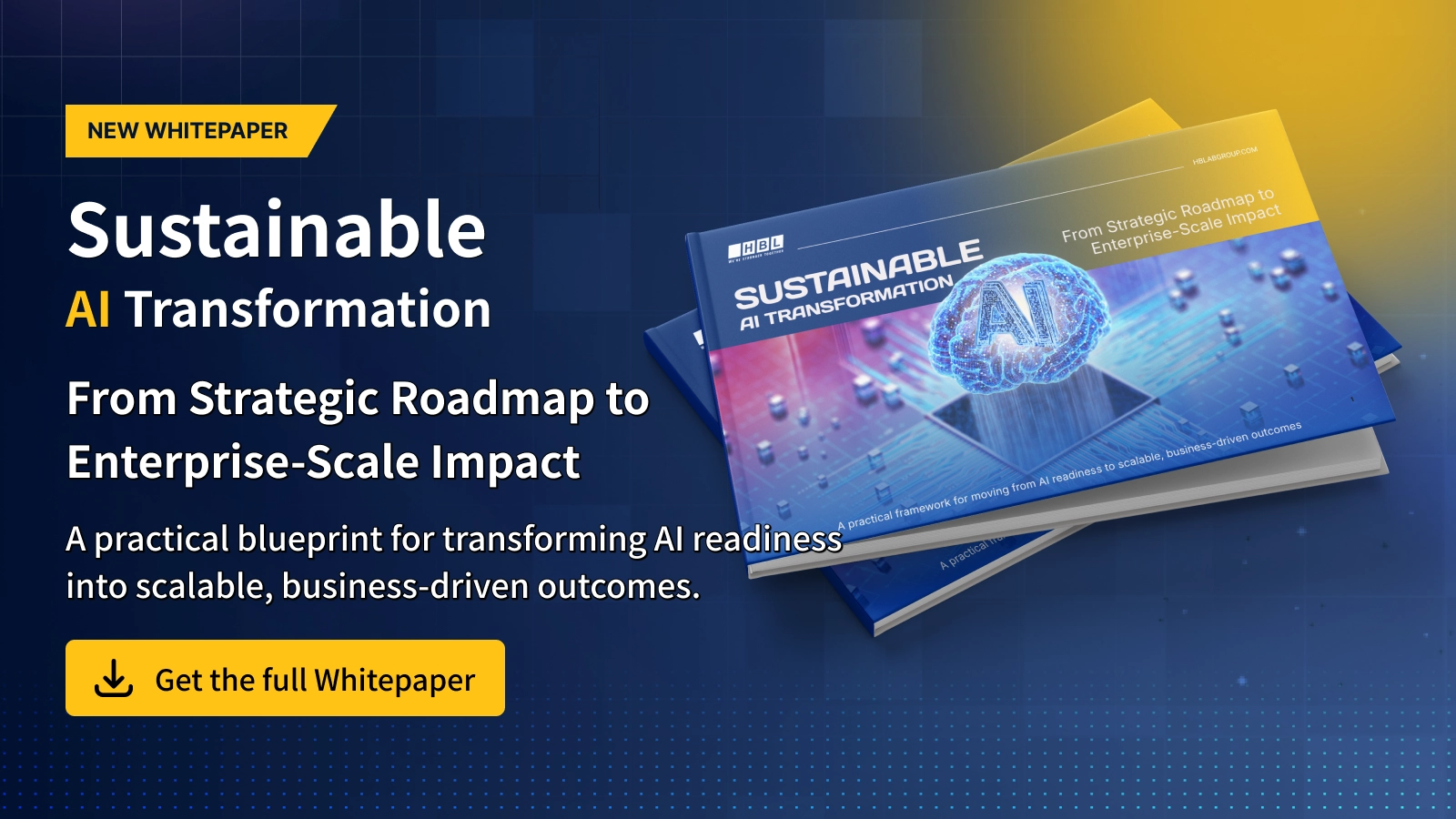
So, AI changes work before it changes headcount. Our newly released AI Roadmap whitepaper gives leaders a practical view of how roles, AI literacy, governance and team models need to evolve when AI enters daily operations.

What Skills Matter More in the AI Age?

Critical thinking is the most useful skill. The system can sound confident while giving an answer that is incomplete, outdated, or wrong. When AI gives a summary, ask what it missed; when it writes code, test it; when it drafts an email, check the tone, claim, and evidence.
Communication matters because work is shifting toward explanation, feedback, and coordination. People still need to ask good questions, explain decisions, understand others, and handle disagreement. A tool can draft a message, but it does not know every relationship inside a team, every promise made to a customer, or every sensitive detail inside an organization.
Domain knowledge helps people judge output, ask better questions, and connect the answer to real standards in the field. A legal expert using AI is different from a general user asking legal questions, and a doctor using AI is different from a patient asking a model to explain symptoms.
Ethical judgment and responsibility remain human work. AI can suggest an action, while humans still decide what should be done. A hiring tool may rank candidates, but a manager has to ask whether the process is fair. A medical AI may suggest a diagnosis, while a doctor has to consider the patient.
Learning agility and AI fluency matter because no specific skill is safe forever. AI fluency does not mean becoming an AI researcher. It means knowing what AI can do, where it cannot be trusted alone, how to write a useful prompt, how to check output, and how to fit the tool into real work.
What This Means for You
The practical response depends on where you are in your career.
| Reader | What to focus on |
|---|---|
| Student | Build domain knowledge, learn AI tools, and practice real projects |
| Recent graduate | Show proof of work beyond the degree |
| Junior worker | Use AI for speed, while asking humans for feedback |
| Career switcher | Choose fields where domain context matters |
| Manager | Redesign work before cutting junior roles |
| Business owner | Automate routine tasks and keep humans in high-trust moments |
The common thread is simple: avoid competing with AI only at the task layer. Learn to direct the tool, check the result, connect it to a real field, and take responsibility for the final decision.
So, Will AI Replace Jobs?
Yes, AI will replace many simple tasks. Drafting, summarizing, formatting, basic support, simple research, and first-pass coding are already changing because the instructions and outputs are often clear.
Yes, AI may reduce some jobs. When a job is mostly made of automatable tasks, the number of people needed may fall. This is most likely in roles with clear inputs, standard outputs, and limited human judgment, especially when companies are already trying to reduce cost.
Yes, AI will change many jobs. Many workers will use AI every day as part of their normal workflow. A job title may stay the same while the work inside it changes, with less time spent creating the first pass and more time spent reviewing, improving, and deciding.
No, AI will not replace all human work equally. Jobs that need judgment, trust, responsibility, physical presence, and human connection are harder to replace fully. They may still use AI tools, but the human role remains important because the work involves context, accountability, and real-world consequences.
The strongest workers are the people who can use AI, check its output, improve the result, and own the final decision. That applies in coding, marketing, design, business, operations, healthcare, education, and many other fields.
AI will move fastest through simple digital tasks and slowest where work depends on judgment, trust, responsibility, and real-world context. The practical answer is to stop competing with AI at the task layer and move toward the work that directs, checks, improves, and owns the final result.
What to Watch Next
The answer to “will AI replace jobs?” will keep changing. Watch these signals to understand how fast AI is moving from demos into real workflows:
- Entry-level hiring in software, marketing, customer support, and admin
- How many companies move from AI pilots to real workflow redesign
- Whether customer service chatbots reduce human support or bring it back
- How fast AI hiring tools change recruitment
- Progress in robotics for physical work
- New rules around AI liability, hiring, healthcare, and finance
These signals matter because AI capability alone does not decide the future of work. Business trust, regulation, customer expectations, and training systems also shape how fast jobs change.
FAQ
Will AI replace jobs?
Yes, AI will replace some jobs, especially when most of the work is repeated, digital, and easy to verify. The broader pattern is task replacement first, followed by job redesign when enough tasks change.
What jobs will AI replace?
AI is most likely to reduce work in roles built around routine admin, basic customer support, simple drafting, first-pass research, basic data processing, and other repeated digital tasks. Risk rises when the role has little judgment and little human contact.
What jobs will AI not replace?
Jobs are harder to replace when they depend on care, trust, judgment, accountability, physical presence, or complex human interaction. This includes many healthcare, teaching, skilled-trade, field-service, advisory, and management roles.
Will AI replace software engineers?
AI can replace some software engineering tasks, especially boilerplate code, code explanation, simple debugging, and test generation. Senior engineers are harder to replace because they handle architecture, trade-offs, security, communication, and responsibility for the final system.
Will AI replace doctors?
AI is more likely to support doctors than fully replace them. Medical work carries risk, depends on patient trust, and requires clinical judgment that someone must be responsible for.
Will AI replace teachers?
AI can help teachers prepare materials, explain topics, and handle some admin work. Full replacement is harder because teaching depends on reading students, adapting in real time, building trust, and guiding behavior.
Are entry-level jobs at risk from AI?
Yes, entry-level digital jobs are under pressure because many junior tasks are simple, repeated, and easy for AI to learn. The bigger concern is that junior work is also how people learn to become senior.
What skills should I learn to stay relevant?
Focus on critical thinking, communication, domain knowledge, ethical judgment, and AI fluency. The goal is to use AI well, check its output, and connect it to real human or business needs.
Is AI creating new jobs?
Yes, AI is creating some new jobs while reducing others. Demand is rising in AI-related roles, while care, education, frontline work, and roles that manage AI-supported workflows may also grow.
How can I prepare for AI in the workplace?
Learn how AI fits into real workflows in your field. Use AI for speed, then build the judgment to check the result, improve it, and take responsibility for the final work.
Read more:
– AI Agent vs Chatbot vs AI Assistant: 4 Types of Conversational AI Explained with Case Study
– 7 Best Workflow Automation Software: Which Type Fits Your Business