
The companies winning in 2026 are not those with the biggest teams, but those who develop products 15 to 20 percent faster while maintaining quality—and the gap is widening.
In today’s market, the ability to innovate rapidly separates industry leaders from struggling incumbents. Between rising customer expectations and unpredictable competitive moves, organizations face intense pressure to launch winning products faster than ever before.
Yet many teams remain hampered by outdated processes, siloed departments, and legacy technologies that slow development cycles.
Product development is the structured process of taking an idea from concept through market launch, involving ideation, design, prototyping, testing, and commercialization.
The modern approach combines agile methodologies, cross-functional teams, and digital tools like AI assistants and virtual reality prototyping to compress timelines and reduce costs.
Success requires clear strategy alignment, continuous customer feedback, and metrics-driven decision-making across development, design, and business teams.
The good news: proven frameworks, modern technologies, and organizational practices now make it possible for even large, traditional companies to match the innovation velocity of digital-native competitors.
What is Product Development?
Product development is the end-to-end process of transforming a market opportunity into a finished product that customers can buy and use. It encompasses everything from identifying customer needs and validating ideas through designing solutions, building prototypes, testing rigorously, and finally commercializing the finished product.
At its core, product development answers a fundamental business question: How do we create something people want, at a cost we can sustain, in a timeframe that captures market opportunity?
The discipline has evolved dramatically over the past decade. Traditional sequential approaches (where design finishes before engineering begins) have given way to iterative, cross-functional models where teams collaborate simultaneously.
This shift, driven by the success of digital-native companies and validated by decades of lean startup research, has become the new standard for competitive organizations.
Product development matters because it is the primary engine of organic growth, customer retention, and competitive differentiation.
How Product Development Works
Modern product development follows an iterative cycle rather than a linear sequence. The process typically includes six to seven key stages, each feeding insights back to the previous stages.
Stage 1: Ideation and Screening
The process begins with generating ideas from multiple sources: customer feedback, market research, competitive analysis, internal brainstorming, and external innovation partnerships. Teams then apply evaluation criteria (feasibility, market fit, alignment with strategy, profitability) to screen ideas and select the most promising concepts for deeper exploration.
Stage 2: Product Definition and Planning
Once an idea passes screening, the team develops a clear product vision, defines target customers, documents requirements, and creates a product roadmap. This stage answers critical questions: What problem does this solve? Who will buy it? What features matter most? How do we prioritize development? A strong product roadmap balances long-term vision with near-term milestones and adapts as customer feedback arrives.
Stage 3: Design and Prototyping
The design phase translates requirements into visual specifications and prototypes. Designers create wireframes and interactive mockups; engineers build technical prototypes or minimum viable products (MVPs). This stage increasingly leverages virtual reality and 3D design tools, which allow teams to iterate on prototypes in days rather than weeks.
Stage 4: Testing and Validation
Before committing to full development, teams test prototypes with real customers, validate demand, and gather feedback. Beta testing, user interviews, and controlled rollouts help identify issues early when they are cheapest to fix.
Stage 5: Development and Refinement
The team builds the full product using iterative, sprint-based cycles. Cross-functional input continues throughout development. Quality assurance testing runs in parallel with feature development rather than at the end.
Stage 6: Launch and Commercialization
The finished product moves to market with supporting marketing, sales, and customer support. Many products launch in a beta or limited release first to gather additional feedback before broad rollout.
Stage 7: Post-Launch Iteration
After launch, teams monitor customer usage, collect feedback, and plan improvements. This stage feeds directly back into the planning phase, creating a continuous cycle.
The key principle underlying all modern product development is speed and feedback. Rather than planning everything upfront and executing once, teams now plan incrementally, build in small batches, validate with customers, and adjust course based on what they learn.
Advantages of Product Development
Competitive Advantage and Market Leadership
Faster product development compressed timelines directly translate to first-mover advantage in new markets. Companies that ship a good product faster than competitors with a perfect product win in dynamic markets. Being first to market, even with a minimum viable product, creates brand awareness, customer lock-in, and operational learning that later entrants struggle to match.
Reduced Financial Risk
By testing ideas early with customers before committing significant development resources, teams avoid building products nobody wants. One advanced equipment manufacturer used virtual reality hackathons to reduce R&D costs and time to market by as much as 15 percent per measure while achieving gains in product performance.
Faster Time to Value
Iterative product development enables companies to deliver customer value in weeks or months rather than years. This frequent delivery keeps teams motivated, customers engaged, and feedback flowing—creating a virtuous cycle of continuous improvement.
Higher Product Quality
Contrary to intuition, shipping features faster actually improves quality. Because testing happens continuously throughout development rather than in a rushed final phase, teams catch and fix defects earlier when they are cheaper to address. Additionally, real customer feedback drives prioritization, ensuring engineering effort focuses on features that actually matter.
Increased Innovation Velocity
When teams adopt agile and lean frameworks, they become faster at learning what works and what does not. This learning accumulates, making the next project faster still. Organizations that embrace product development as a continuous discipline develop organizational muscle memory for innovation.
Better Alignment Across Teams
Product development frameworks like agile explicitly require ongoing communication between engineering, design, marketing, and business teams. This forced collaboration breaks down silos and ensures everyone understands customer needs and business objectives. The result is fewer rework cycles and faster decision-making.
UNLOCK INNOVATION VELOCITY NOW!
Challenges and Solutions
1. Challenge: Unclear Product Vision and Shifting Requirements
Many teams begin development without a clear, shared understanding of what they are building or why. This leads to scope creep, conflicting priorities, and wasted engineering effort.
Solution:
Invest heavily in product definition and strategy before development begins.
Create a clear product vision statement, define your target customer profile explicitly, and document key requirements using frameworks like Jobs-to-be-Done or user stories.
Establish a single product owner responsible for prioritization to prevent competing stakeholders from pulling the team in different directions.
Review the vision with stakeholders and customers regularly, but protect the core vision from constant rewriting.
2. Challenge: Cross-Functional Collaboration Silos
In many organizations, engineering, design, marketing, and business teams operate separately. Hand-offs between departments create delays, misalignment, and rework.
Solution:
Establish truly cross-functional teams where members from design, engineering, marketing, and business work together from day one.
Use agile ceremonies (daily standups, weekly planning, retrospectives) to maintain alignment and surface conflicts early.
From our experience at HBLAB working with CMMI Level 3-certified development practices, companies that co-locate teams (either physically or virtually) and empower them to make decisions collaboratively see dramatic improvements in velocity and morale.
Consider establishing an “innovation garage”—a dedicated space with cross-functional membership, agile governance, and permission to bypass bureaucratic approval processes. T
This proven approach can launch MVPs in weeks rather than months.
3. Challenge: Inadequate Testing and Quality Assurance
Rushing to ship features fast can compromise quality if testing happens only at the end rather than continuously throughout development.
Solution:
Shift quality assurance earlier in the development cycle.
Implement continuous integration and continuous deployment practices that automatically test code changes as they are committed.
Run user testing in parallel with development sprints so customer feedback flows in real-time.
Establish clear quality thresholds and metrics rather than subjective standards.
Invest in testing automation to accelerate feedback loops without adding manual labor.
4. Challenge: Resistance to Change Within Organizations
Teams accustomed to waterfall or sequential development processes often resist moving to agile and iterative approaches. Legacy mindsets around planning, approval hierarchies, and risk management can derail product development transformation efforts.
Solution:
Treat organizational change as seriously as technological change.
Invest in training and coaching for agile practices, not just tools.
Demonstrate early wins with a pilot team or innovation garage to build momentum.
Leadership must visibly commit to the new approach and remove policy obstacles that force teams back to old patterns.
Celebrate learning from failures, not just shipping features, to reframe risk tolerance.
Be patient; cultural change takes 12 to 24 months in large organizations.
5. Challenge: Limited Development Resources and Competing Priorities
Even with efficient processes, many organizations lack the internal capacity to execute product development roadmaps quickly, especially when maintaining existing products simultaneously.
Solution:
Be ruthless about prioritization using frameworks like MoSCoW (must-have, should-have, could-have, won’t-have) or weighted scoring models.
Identify which features only your internal team can build and which can be outsourced, acquired, or partnered for.
Many companies use flexible team augmentation models to scale capacity for specific projects without permanent overhead.
If tackling resource constraints in-house feels daunting, consider an experienced development partner like HBLAB to augment your core team with specialized talent for product sprints, freeing internal resources for strategic work.
Building a Modern Product Development Tech Stack in 2026
The tools teams use directly impact their ability to innovate quickly. The modern product development stack includes several interconnected platforms.
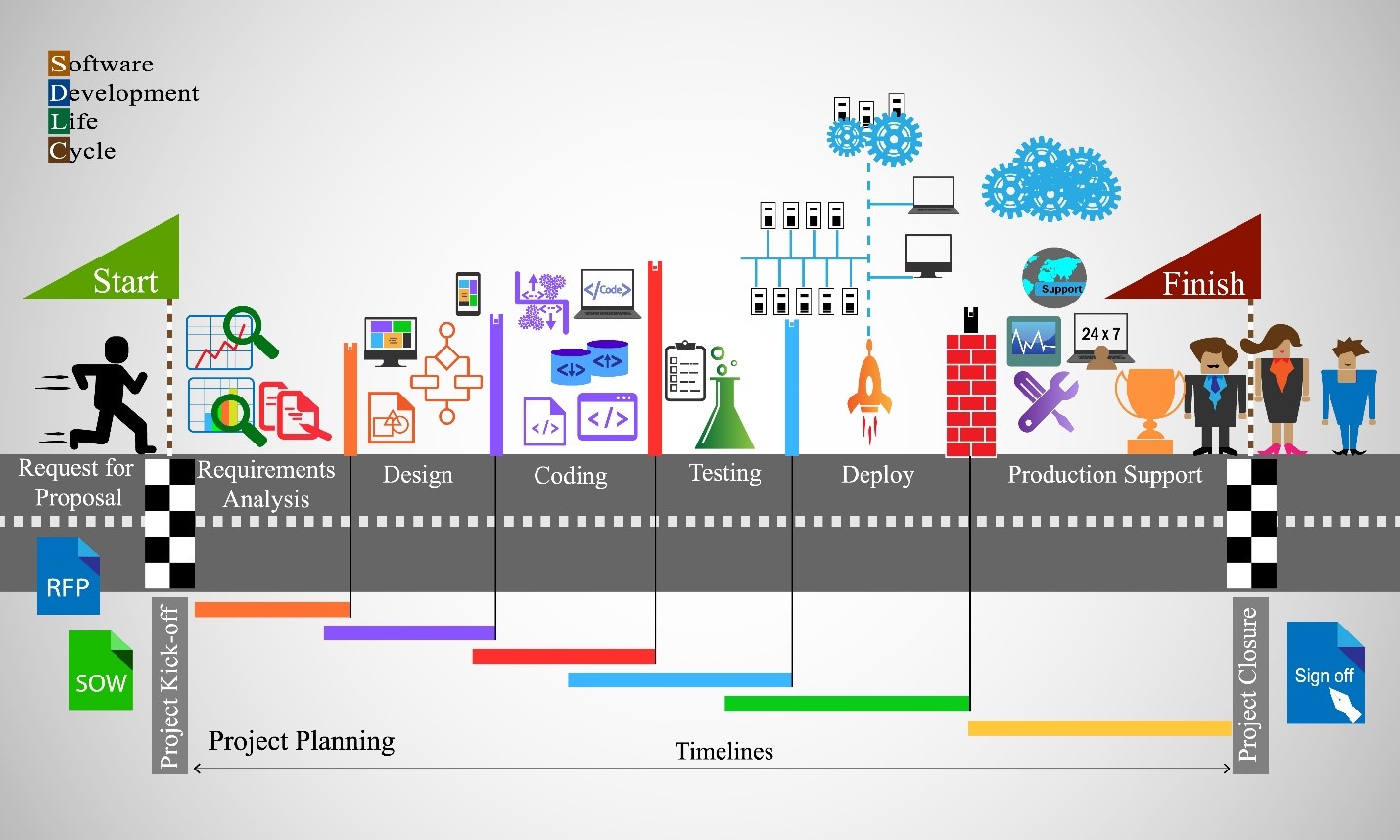
Digital Twins and Real-Time Data Platforms
Digital twins—virtual models of physical products that continuously sync with real-world performance data—enable organizations to understand exactly how products perform in customers’ hands. Rather than relying on occasional feedback or warranty claims, teams see live data streams showing usage patterns, performance bottlenecks, and emerging issues.
This real-time visibility shifts product development from reactive (fixing reported bugs) to proactive (anticipating needs and optimizing performance). Digital twins require modern data architectures and Internet-of-Things connectivity, but the investment pays off in faster iteration cycles and deeper product insights.
AI-Powered Design and Prototyping Tools
Artificial intelligence is reshaping how teams design and prototype products. AI assistants now help with generative design (exploring thousands of design alternatives automatically), requirements analysis, and predictive testing. Rather than engineering teams manually sketching and comparing designs, AI tools can rapidly generate and evaluate design options against performance and cost criteria.
Tools like Figma, Adobe XD, and emerging AI-enabled design platforms allow designers and engineers to collaborate in shared digital workspaces, iterate in real-time, and obtain immediate feedback on design choices.
Virtual and Augmented Reality for Prototyping
Virtual reality dramatically accelerates the prototyping phase. Whereas physical prototyping took weeks, VR prototyping takes days. Cross-functional teams wearing VR headsets can examine, critique, and modify 3D virtual prototypes in real-time, with cost implications calculated instantly.
One equipment manufacturer used VR to revisit design assumptions by examining competitors’ products from every angle in the virtual environment. The cross-functional team then held a series of VR hackathons, bringing engineering, design, marketing, and operations together to refine a prototype through multiple cycles in weeks. The result: reduced time to market and new organizational capabilities around agile collaboration.
Integrated Analytics and Feedback Platforms
Product analytics platforms (such as Amplitude, Mixpanel, and Pendo) now capture detailed user behavior, not just aggregated usage statistics. This granular data reveals which features customers actually use, where they encounter friction, and how to prioritize improvements.
Feedback platforms (like Productboard or UserVoice) centralize customer requests, allowing teams to identify patterns across feedback sources and weight features by customer impact rather than relying on the loudest voices.
AI Assistants for Product Development
Leading organizations are now using AI assistants tailored to roles across the product development lifecycle. These assistants help product managers analyze market trends and customer data, help designers validate designs against user needs, and help engineers prioritize technical debt. Rather than replacing humans, these tools amplify human decision-making by synthesizing vast amounts of information quickly.
Integration is Key
The proliferation of best-of-breed tools creates integration challenges. Organizations are increasingly moving toward integrated platforms that connect product management, design, development, and analytics tools rather than managing disconnected point solutions. This integration reduces handoffs, eliminates data silos, and enables real-time decision-making.
When evaluating tools, ask: Does this platform integrate with our existing systems? Can we extract data easily? Does it require retraining our team substantially? Integration capability often matters more than any individual tool’s features.
Measuring Developer Productivity Without Burnout
Shipping products faster requires measuring progress accurately, but poorly chosen metrics can backfire by encouraging teams to cut corners or hide problems.
DORA Metrics: The Gold Standard
The DORA (DevOps Research and Assessment) framework measures four key dimensions:
- Deployment Frequency: How often does the team deploy code to production? Higher frequency (daily or multiple times daily) indicates more agile teams and faster feedback loops.
- Lead Time for Changes: How long does it take for code changes to move from committed to deployed? Shorter lead time indicates efficient processes and rapid iteration.
- Mean Time to Recovery: When an issue occurs in production, how quickly can the team diagnose and fix it? Faster recovery indicates resilience and observability.
- Change Failure Rate: What percentage of deployments result in problems requiring immediate fixes? Lower rates indicate quality and thoughtful testing practices.
DORA metrics create a feedback loop: teams that deploy more frequently get faster feedback, fix issues faster, and gradually improve quality. This virtuous cycle of learning drives continuous improvement.
Developer Experience (DXI) and SPACE Framework
However, speed metrics alone can mask burnout and churn. The SPACE framework balances speed with team wellbeing, measuring:
- Satisfaction and Well-being: Are developers happy? Are they learning and growing? Satisfaction predicts retention and innovation capacity.
- Performance: Is the team shipping features and fixing bugs effectively?
- Activity: What is the actual workload? (This prevents teams from appearing productive while working unsustainable hours.)
- Communication and Collaboration: Are teams aligned and helping each other? Quality communication prevents rework and speeds decision-making.
- Efficiency: Are tools, processes, and environments enabling or blocking productivity?
Leading organizations measure all five SPACE dimensions quarterly, treating developer experience as seriously as shipping features. The payoff: sustainable high performance rather than burnout-driven short-term velocity.
Practical Application
Start by establishing baseline measurements for your team using DORA metrics and SPACE surveys. Identify your bottleneck (Are you slow at design review? Testing? Deployment?) and focus improvement efforts there. Avoid measuring individual productivity by code commits or pull requests; these metrics encourage gaming and quality erosion.
Instead, measure team outcomes: How fast does the team turn customer feedback into deployed features? How long does the team spend in meetings versus shipping? How satisfied are developers with their tools and processes? Use these insights to iterate on processes and tools, not to evaluate individual performance.
Emerging Trends in Product Development
AI Integration Across the Development Lifecycle
Artificial intelligence is no longer a future consideration; it is reshaping product development now. AI is accelerating design exploration, improving code quality through intelligent testing, analyzing customer data to prioritize features, and automating routine tasks.
A major shift underway: rather than AI replacing engineering roles, teams are shifting human effort toward high-judgment work—architectural decisions, customer problem understanding, and creative problem-solving—while AI handles exploration, testing, and synthesis of data.
Modular Architecture and Composable Development
Products built as modular systems (rather than monolithic code bases) allow teams to iterate and scale faster. Modular architectures enable different teams to work on different components in parallel without stepping on each other’s toes. Combined with APIs and microservices, modularity allows rapid assembly of product variants and easy integration with external capabilities.
Internet of Things (IoT) and Real-Time Product Intelligence
Connected products that continuously stream usage data are becoming the norm across industries, from manufacturing equipment to consumer devices. This real-time data transforms product development from static planning to dynamic adaptation.
Teams can now A/B test new features on actual products in the field, gathering results in weeks rather than waiting for the next release cycle. IoT connectivity enables predictive maintenance, personalization at scale, and discovery of unanticipated use cases.
Sustainability and Circular Product Design
Regulatory pressure and customer expectations are pushing product development toward sustainability from day one. Teams now consider end-of-life product recycling during design, optimize for minimal material use, and measure carbon footprint alongside performance metrics.
This trend is reshaping product strategy: companies are shifting from maximizing feature count to optimizing for environmental impact and longevity. Products designed for repairability and upgradability create new business models (repair services, refurbished product channels) while reducing waste.
Increased Use of External Innovation Partnerships
No single company owns all great ideas. Leading organizations now actively partner with startups, academic institutions, and specialized vendors to source innovation. Pitch nights, innovation ecosystems, and open innovation platforms allow large companies to tap into broader innovation networks while maintaining focus on core capabilities.
This approach is particularly powerful for breakthrough innovation. Startups tolerate higher risk and develop novel concepts faster than established companies; large incumbents provide capital, distribution, and operational scale. Partnering on innovation creation allows both parties to play to their strengths.
When to Use Product Development Methodologies
Different product development situations call for different methodologies.
- Use Agile if: You are building software or digital products, need to respond to frequent market changes, or want continuous customer feedback to shape development. Agile excels at compression and adaptation.
- Use Lean if: You are operating with limited resources, want to minimize waste, or need rapid market validation. Lean startup methodology is ideal for early-stage products with high uncertainty.
- Use Design Thinking if: You are solving novel customer problems, want to generate breakthrough innovations, or need cross-functional teams to develop empathy for customers. Design Thinking excels at problem definition.
- Use Waterfall if: Requirements are extremely stable, regulatory requirements demand extensive upfront documentation, or you are building physical products with long manufacturing lead times where late changes are prohibitively expensive.
- Use Stage-Gate if: You need rigid governance and decision points, have risk management or compliance requirements, or want to allocate investment capital systematically across a portfolio of projects.
Most organizations now use hybrid approaches: Stage-Gate governance at the portfolio level (deciding which projects to fund) combined with Agile execution within each project (iterating rapidly once approved). This balances disciplined capital allocation with development flexibility.
Overcoming Internal Resistance to Product Development Change
Organizational culture and mindset often pose bigger obstacles than methodology or tools.
The Innovation Garage Model
One European company housed its innovation garage just outside the head office as a visible symbol of commitment to innovation. The garage operated under different rules than the traditional organization: teams bypassed normal hiring approval processes, technology integration requirements, and bureaucratic gates that would slow iteration.
- The result: the garage team shipped its first minimum viable products within weeks, breaking the traditional 18-month development cycle. One early product opened an entirely new sales channel backed by digital-end-to-end business operations.
- Key lesson: Creating physical or organizational separation for innovation teams gives them permission to operate differently without threatening the larger organization’s processes.
Building Cross-Functional Autonomy
Large organizations often have deep functional expertise (brilliant engineers, talented designers, skilled product managers) but limited collaboration between functions. Restructuring around cross-functional teams with shared ownership and autonomous decision-making accelerates product development dramatically.
Teams should include members from engineering, design, product management, marketing, and finance. Include an agile coach or scrum master to facilitate iterative practices. Give teams clear authority to make decisions about their product without requiring approval from senior leadership on routine choices.
Shifting Incentive Structures
Organizations inadvertently create barriers to product development speed through their incentive structures. If you measure success only by shipping features on schedule, teams will cut quality corners. If you measure success by individual productivity metrics (code commits, defects fixed), you discourage collaboration and knowledge-sharing.
Shift incentives to team outcomes: velocity improvement, on-time delivery, customer satisfaction, and development team retention. Celebrate learning from failures, not just successes. Provide stability in team composition so teams can develop cohesion and institutional knowledge.
About HBLAB
With over 10 years of experience delivering world-class software development and team augmentation solutions, HBLAB has partnered with forward-thinking enterprises globally to accelerate product development cycles and scale innovation capabilities.
Our team of 630+ professionals, backed by CMMI Level 3 certification, specializes in enabling rapid product development through flexible engagement models (offshore, onsite, and dedicated teams) and deep expertise in agile, lean, and emerging technologies.
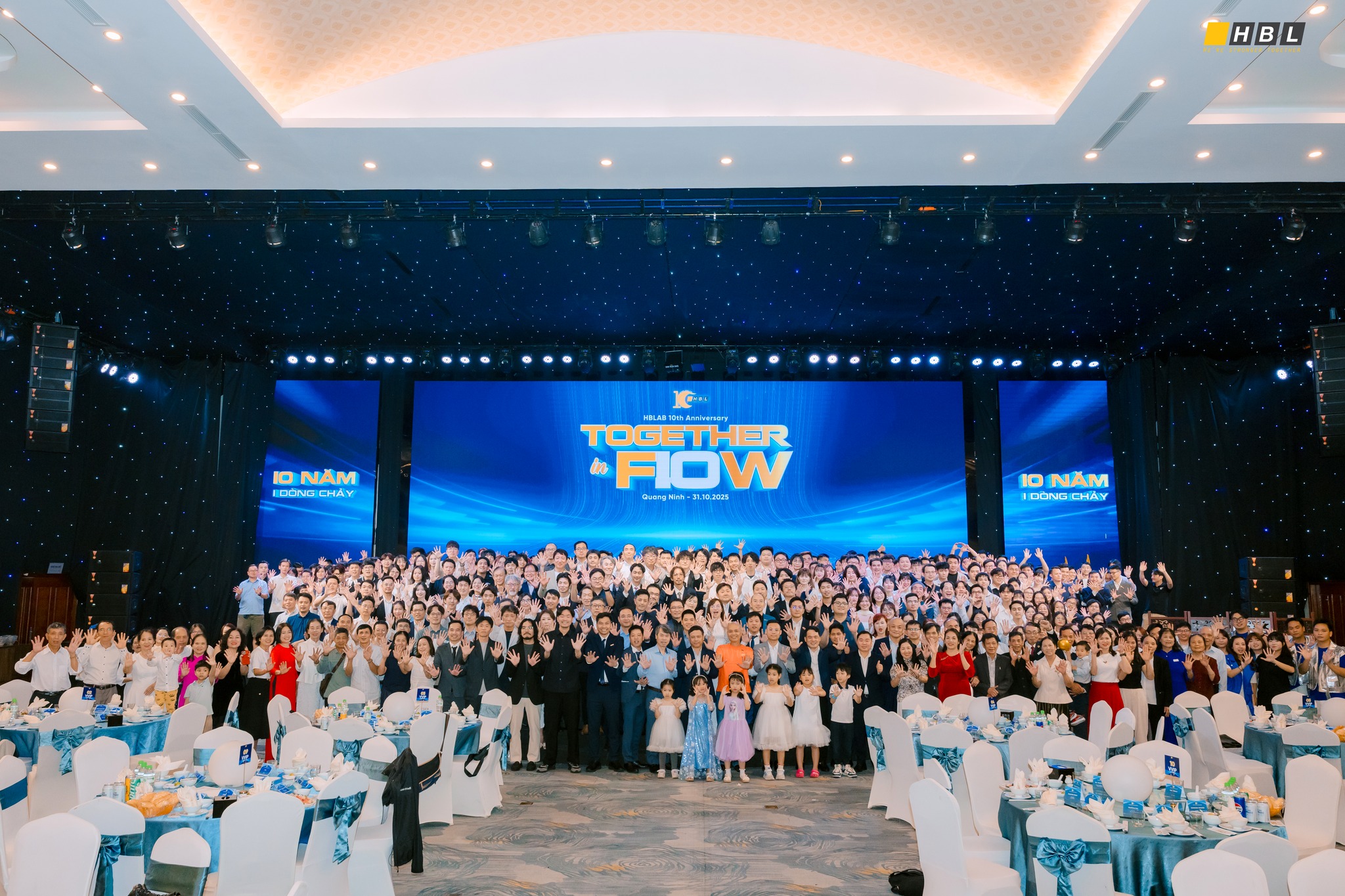
Since pioneering AI-powered solutions in 2017, HBLAB has helped incumbent companies modernize their R&D practices, implement cross-functional product development frameworks, and navigate digital transformation.
Our augmentation approach is strategic: rather than replacing your internal team, we extend your capacity with specialized talent, allowing your best people to focus on high-judgment work like product strategy and customer discovery while our teams handle design execution and development sprints.
HBLAB’s cost-efficient model typically delivers 30 percent savings compared to building equivalent capacity internally—without compromising quality or introducing training overhead.
We operate with minimal bureaucracy, enabling your product teams to move at startup velocity while maintaining enterprise-grade processes.
Whether you are establishing an innovation garage, building digital twins, implementing agile transformation, or scaling product delivery across multiple teams and geographies, HBLAB brings hands-on experience, proven methodologies, and a partner’s mindset to your challenges.
👉 Ready to accelerate your product development cycles?
CONTACT HBLAB FOR A FREE CONSULTATION
Common Questions About Product Development
What is meant by product development?
Product development is the structured process of identifying customer needs, generating and screening ideas, defining requirements, designing solutions, building and testing prototypes, and finally commercializing a finished product that customers can purchase and use.
What are the five stages of product development?
While methodologies vary, five core stages appear consistently: (1) Ideation and concept screening, (2) Product definition and planning, (3) Design and prototyping, (4) Testing and validation, and (5) Development, launch, and post-launch iteration. Some frameworks add additional stages like feasibility analysis or business case development.
What are the seven stages of new product development?
A more granular seven-stage model includes: (1) Concept and initiation, (2) Scoping and feasibility, (3) Design and prototyping, (4) Testing and refinement, (5) Development, (6) Launch and commercialization, and (7) Post-launch monitoring and iteration. The additional stages break earlier phases into more detailed steps.
What are the four types of product development?
Four primary categories of product development strategy are: (1) New-to-market products (breakthrough innovations in entirely new categories), (2) New product lines (introducing new products to categories where your company already operates), (3) Product improvements and line extensions (enhancements to existing products), and (4) Repositioning (applying existing products to new customer segments or use cases).
What is a product development job?
A product development job encompasses roles across the lifecycle: product managers (defining strategy and priorities), product designers (creating user-centered designs), software engineers and developers (building the product), quality assurance testers (ensuring quality), product analysts (measuring success), and product marketing managers (preparing market launch). Most roles require cross-functional collaboration and customer empathy.
What are the four Ds of product development?
The “four Ds” refer to the stages of design thinking: (1) Define (clarify the customer problem), (2) Develop (generate solution ideas), (3) Design (prototype and refine), and (4) Deploy (launch to market). These stages emphasize customer-centered problem-solving and iterative refinement.
Is product development a skill?
Yes, product development is increasingly recognized as a core organizational competency. While individual roles (engineering, design, product management) require specialized skills, the ability to orchestrate cross-functional product development—translating customer needs into shipped products efficiently—is a learnable discipline that organizations can develop and improve over time.
What is the main goal of product development?
The overarching goal of product development is to create products that solve genuine customer problems, generate profitable revenue, achieve competitive differentiation, and create customer value—all while minimizing waste and risk. In operational terms, the goal is to compress the time and cost required to move from idea to profitable, scalable product.
How do you measure developer productivity?
Use the DORA framework (deployment frequency, lead time for changes, mean time to recovery, change failure rate) combined with the SPACE framework (satisfaction and well-being, performance, activity, communication, efficiency) rather than individual code metrics. Team velocity (features shipped per sprint) and customer satisfaction are also valuable outcome measures.
What is the product of joint force development?
In military and organizational contexts, joint force development refers to the creation of integrated capabilities and strategies that allow diverse functional units to operate as a coordinated whole. The “product” is enhanced operational effectiveness through improved processes, shared understanding, and aligned capability development. In business contexts, this parallels how cross-functional product teams create integrated products and strategies.
Read More:
– Microsoft Copilot Studio: What It Is, How It Works, and Pricing
– Best Inventory Management Software for Retail Stores: 5 Pitfalls to avoid & Implementation Tips
– n8n vs. Zapier: From No-Code to AI-Native, truly secure and scalable Automation