The mobility sector stands at a critical turning point where transport technology and the future converge in transformative ways. From reasoning-based autonomous systems to vehicle-to-grid energy networks, the changes happening in 2026 represent fundamental shifts in how people and goods move globally.
Physical AI, intelligent battery management, and smart city infrastructure are no longer distant possibilities—they are working today.
Physical AI Transforms How Vehicles Reason and Respond
Transport technology and the future increasingly revolve around physical AI, a paradigm shift that moves beyond conventional autonomous driving.
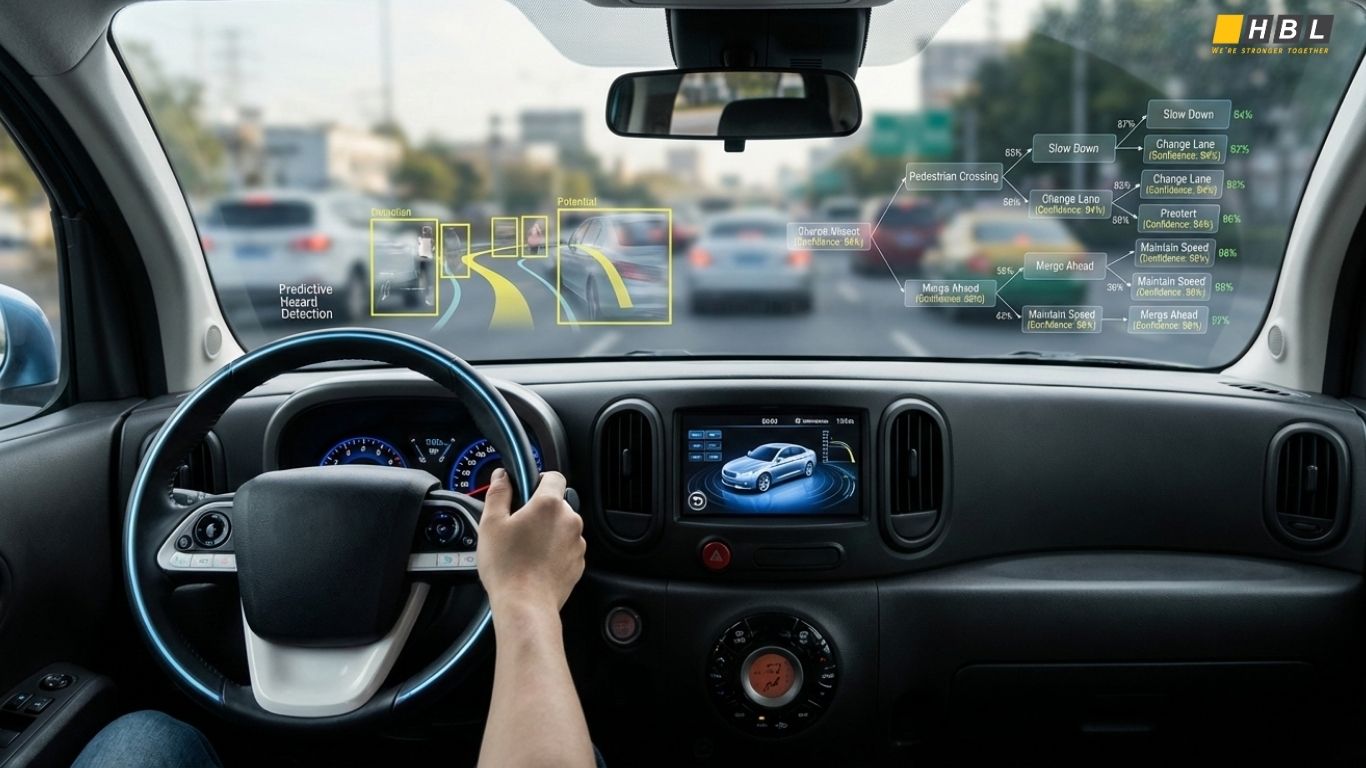
Reasoning-based vision language action models fundamentally change how vehicles interpret complex environments. Unlike previous systems that relied on pattern recognition alone, these models think through scenarios step by step, similar to human decision-making.
This breakthrough enables autonomous vehicles to handle what experts call “long-tail” scenarios—the rare, unpredictable situations that comprise most real-world driving challenges.
A vehicle equipped with reasoning capabilities can contemplate novel situations, anticipate hazards, and make safety-critical decisions even when facing scenarios not previously encountered in training data. The architecture combines camera inputs directly to actuation outputs, trained on both human demonstrations and synthetically generated data from advanced simulations.
How reasoning AI improves vehicle safety:
- Handles unexpected road conditions without prior exposure
- Makes explainable decisions that regulators can understand
- Reduces situations where passengers override automated functions
- Accelerates consumer confidence in autonomous systems
Robotaxis Enter Commercial Deployment Across Major Cities
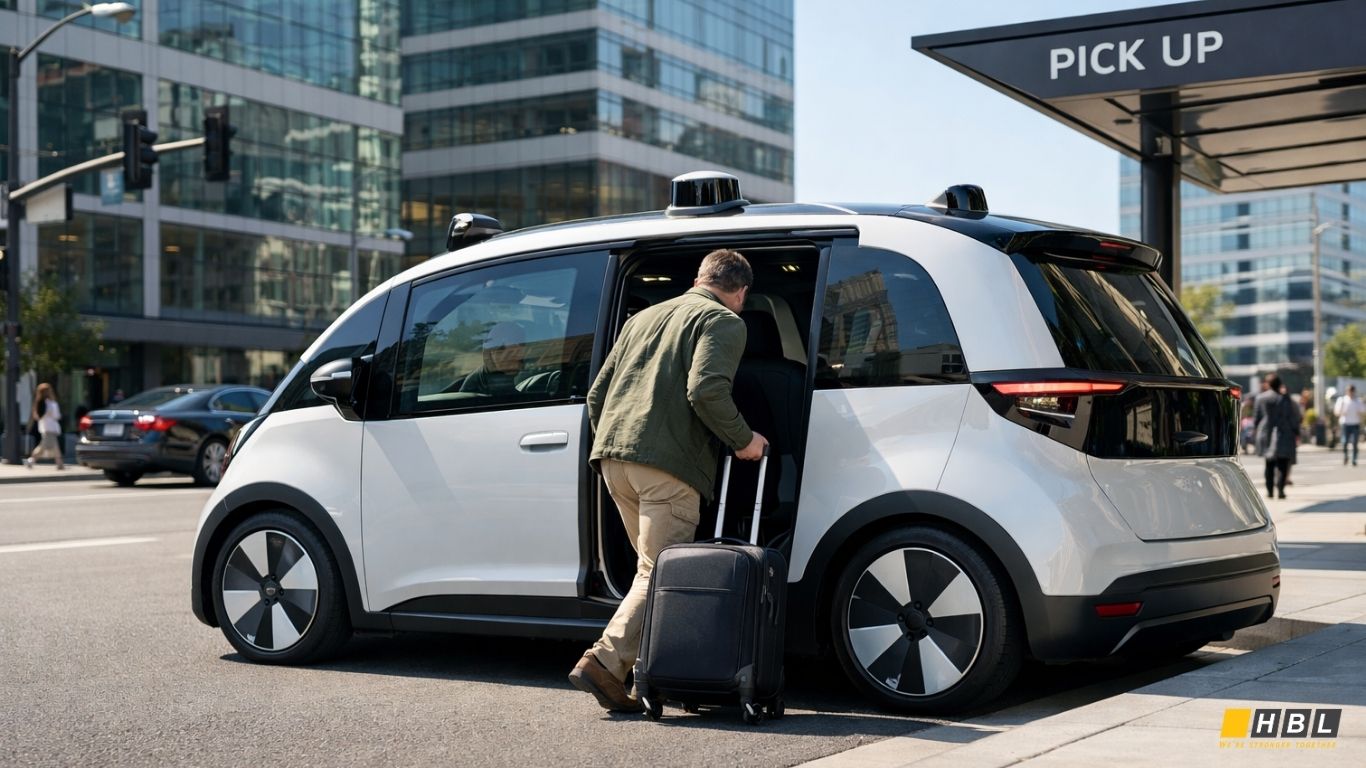
Transport technology milestones in 2026 include the commercial rollout of robotaxi services that move from experimental programs into revenue-generating operations. Multiple operators now generate hundreds of thousands of weekly paid rides across major metropolitan areas, with expansion plans announced for dozens of additional cities globally.
These deployments represent the convergence of multiple technological advances. High-resolution sensor arrays using cameras, lidar, radar, and audio receivers detect obstacles and hazards with precision. Advanced computing systems process this sensory data in real-time, enabling dynamic route optimization and collision avoidance.
Safety records validate the case for autonomous vehicle networks. Independent assessments show autonomous vehicles demonstrate significantly lower injury-causing crash rates compared to human drivers.
What robotaxi expansion means for cities:
- Reduced demand for parking infrastructure and associated land use
- Disruption of traditional taxi services and personal vehicle ownership
- Lower transportation costs through shared autonomous fleets
- Improved accessibility for elderly and mobility-impaired populations
For urban environments, the proliferation of autonomous vehicles means significant shifts in transportation economics and how cities use space that once served parking needs.
Electric Vehicles Evolve Beyond Battery Capacity
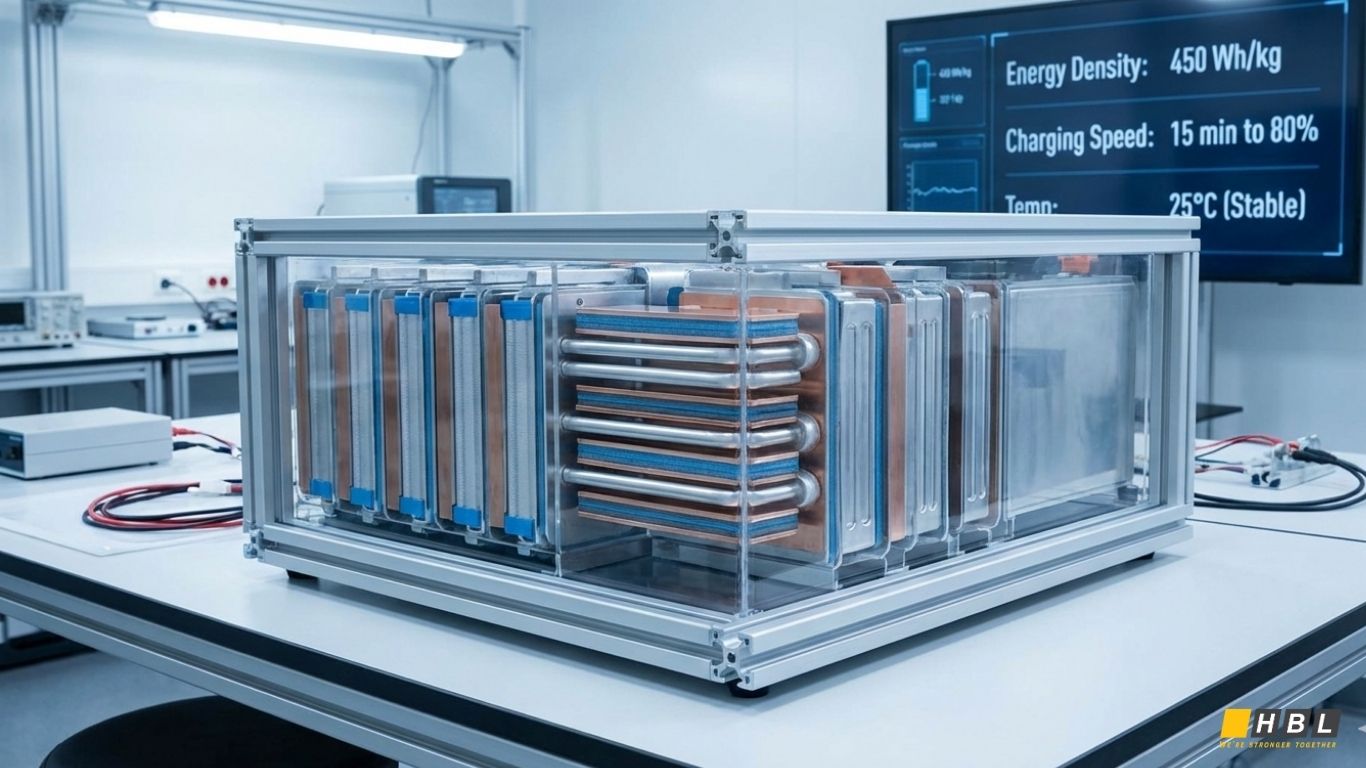
The relationship between transport technology and the future increasingly hinges on advanced battery innovations. Solid-state battery technology represents a fundamental departure from lithium-ion chemistries that have dominated the EV market. These new systems deliver substantially higher energy density while improving safety and charging speed simultaneously.
These battery innovations address two critical barriers to mass EV adoption. First, they extend driving range significantly compared to current generation vehicles, pushing feasible ranges toward 600 miles per charge. Second, they dramatically reduce charging duration through enhanced thermal management and higher energy acceptance rates.
The practical benefit means charging time becomes comparable to traditional fuel stops, eliminating a primary consumer objection to electric vehicles.
Software-defined vehicles (SDVs) complement battery advancement by enabling continuous system optimization throughout a vehicle’s operational life. Electronic systems manage power distribution, regenerative braking, and thermal characteristics in response to real-time conditions. This approach maximizes battery efficiency and extends battery lifespan, reducing total ownership costs despite premium initial pricing.
Vehicle-to-Grid Technology Reaches Mainstream Adoption
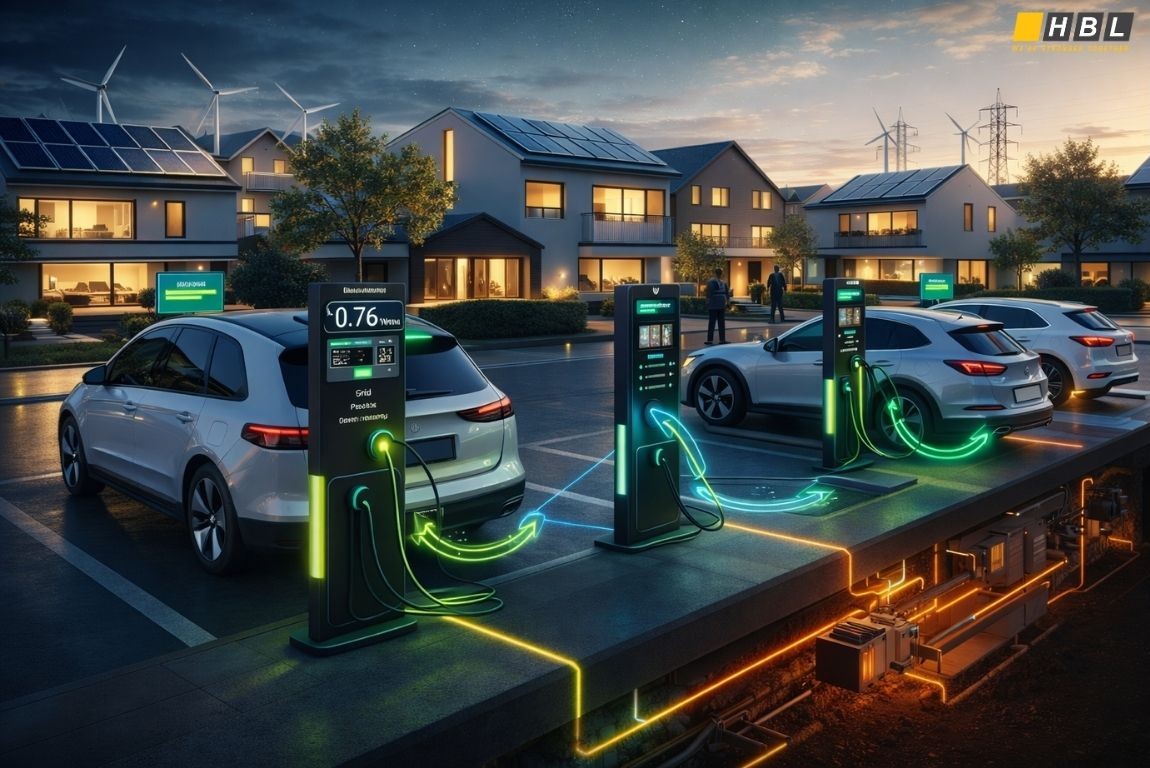
An often-overlooked dimension of transport technology and the future involves bidirectional energy flow between vehicles and electrical grids. Vehicle-to-Grid (V2G) technology enables electric vehicles to function as mobile energy storage, absorbing power during low-demand periods and returning energy during peak consumption.
What remained in limited pilot programs in 2025 transitions to mainstream deployment in 2026 through regulatory changes and compelling financial incentives.
V2G implementation requires intelligent charging networks that analyze real-time electricity prices, vehicle location, driving schedules, and renewable energy availability. Plug-and-charge mechanisms and autocharge systems replace the burden of multiple payment applications. AI orchestration layers manage charging sequencing across neighborhoods, preventing grid overload while optimizing renewable energy utilization.
Economic advantages of V2G for vehicle owners:
- Earn money by storing solar and wind energy during abundance periods
- Discharge power when electricity commands premium prices
- Reduce grid electricity expenses through optimized charging timing
- Participate in demand response programs
The economics of V2G create new revenue streams for vehicle owners while transforming the transportation sector from a net energy consumer into a distributed energy resource network.
Smart Transportation Infrastructure Creates Connected Mobility Ecosystems
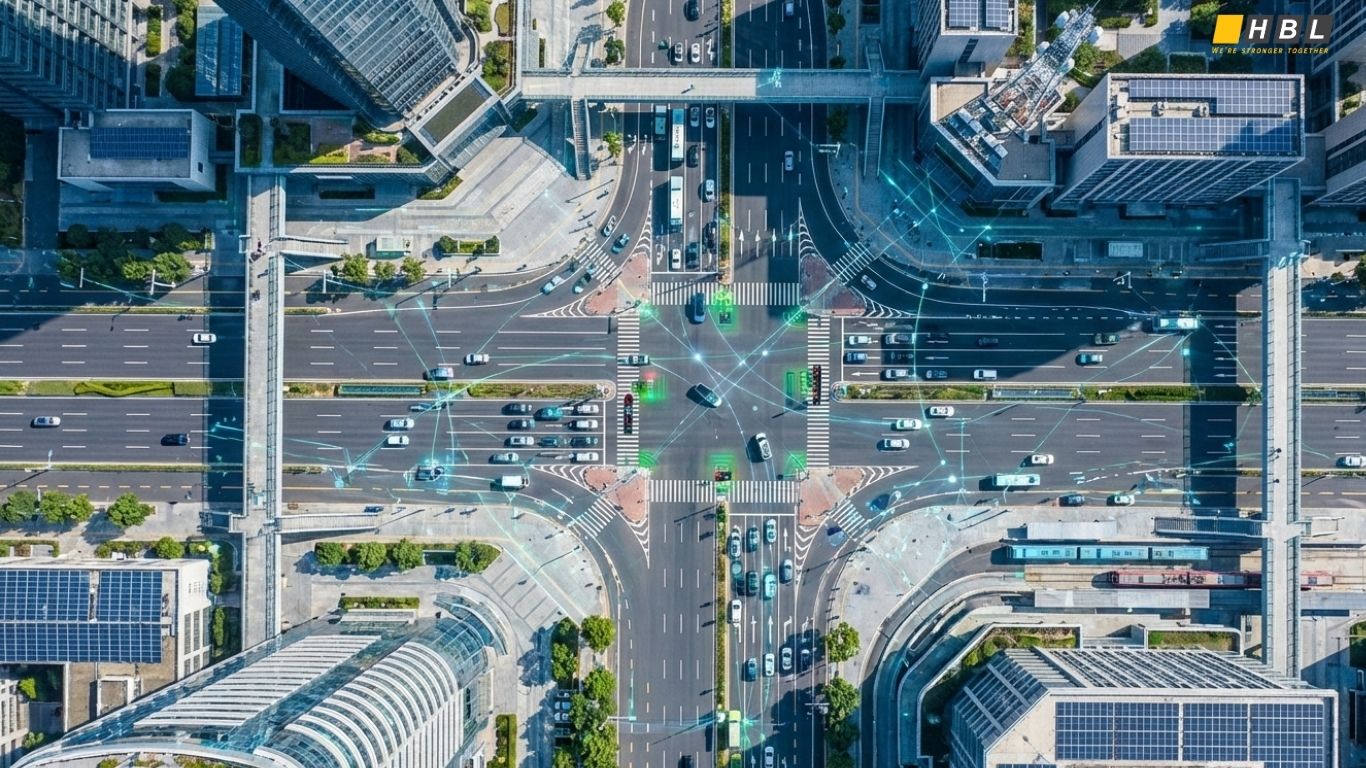
Transport technology increasingly depends on infrastructure intelligence rather than vehicle intelligence alone. Smart cities implement Internet of Things networks across roads, intersections, and transit hubs, creating real-time visibility into traffic patterns, vehicle locations, and infrastructure conditions.
These systems enable several interconnected capabilities:
- Adaptive traffic signal systems manage congestion through AI-powered real-time timing adjustments
- Lane-specific navigation guides autonomous vehicles and human drivers toward optimal paths
- Connected vehicle communication (V2X) allows vehicles to share hazard information beyond individual sensor ranges
- Real-time data from road sensors enables predictive maintenance before infrastructure failures
For commercial fleets, intelligent infrastructure platforms integrate with autonomous vehicle management systems to optimize routing, schedule deliveries within narrow time windows, and predict maintenance needs before failures occur.
Autonomous Aerial Mobility Addresses Last-Mile Delivery
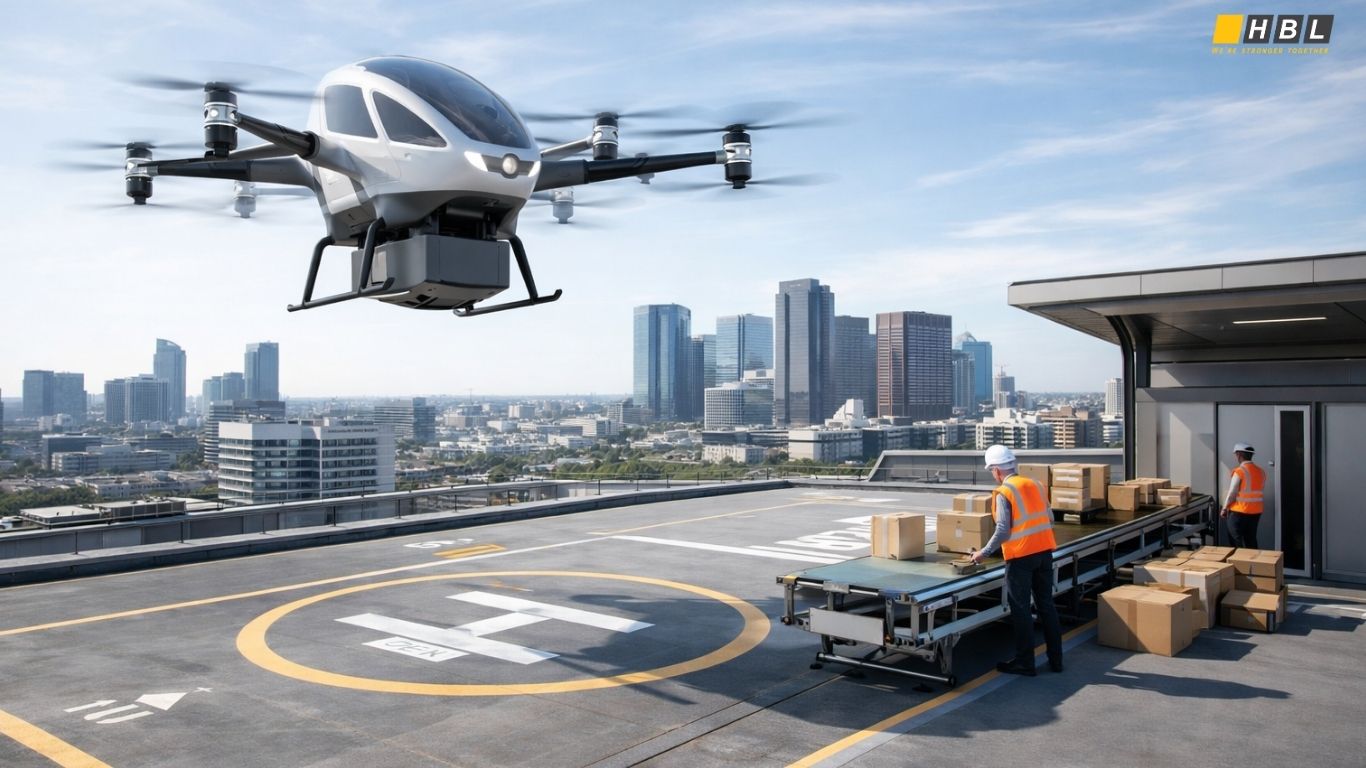
Beyond terrestrial transport technology, the future includes autonomous aerial vehicles handling last-mile delivery and passenger transport. Delivery drone systems have already completed tens of thousands of commercial deliveries in live operations, transitioning from specialized medical supply runs to grocery and retail goods distribution.
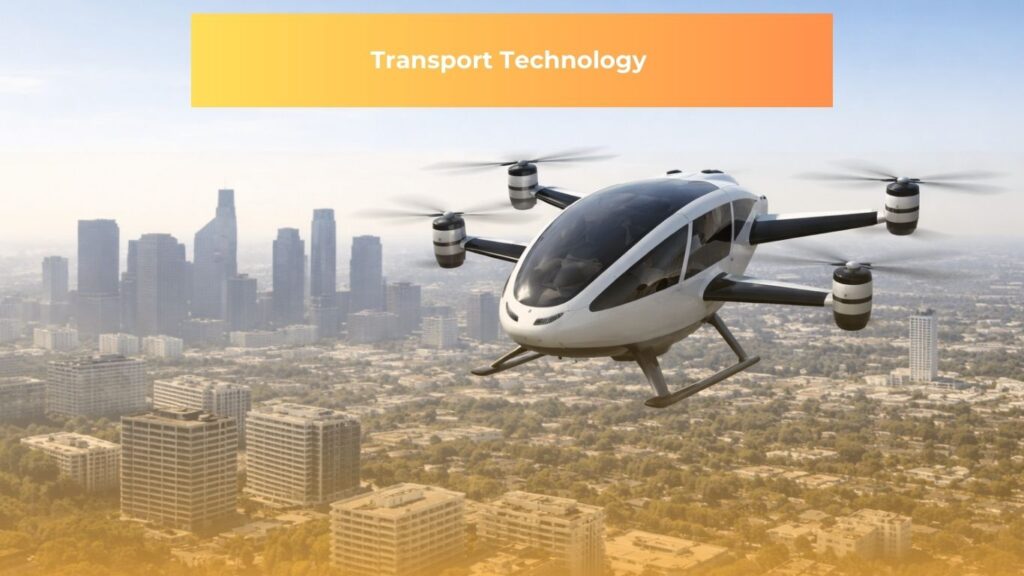
Flying taxis represent the next phase of air mobility advancement. Electric vertical takeoff and landing (VTOL) aircraft feature distributed electric motors and advanced battery systems, achieving ranges of 150 miles with cruise speeds of 200 miles per hour. These vehicles eliminate runways through hovering capabilities, enabling deployment from distributed locations rather than centralized airport infrastructure.
The integration of autonomous aerial vehicles into existing transportation networks requires sophisticated traffic management systems.
As battery technology improves through solid-state innovations, electric aircraft become practical for increasingly longer routes. AI systems coordinate airspace usage, optimizing routes to minimize energy consumption and collision risks.
Next-Generation Rail Technology Enables Ultra-High-Speed Travel
Transport technology extends to rail networks where magnetic levitation and hyperloop systems promise radical speed increases. Maglev trains achieve sustained speeds of 300-407 miles per hour through magnetic suspension that eliminates wheel friction. This compares to conventional high-speed rail averaging 200 miles per hour.
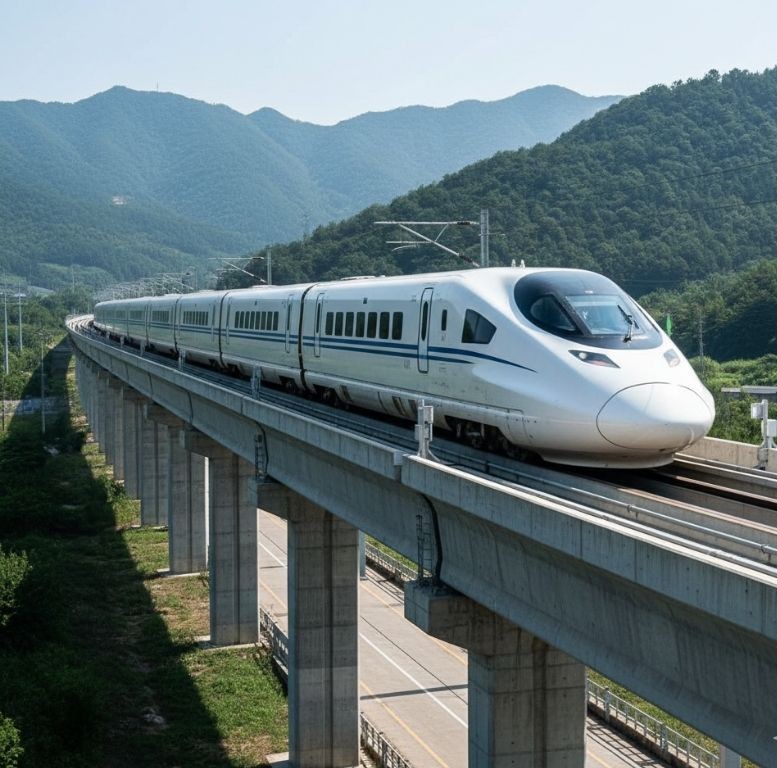
Hyperloop technology concepts extend this paradigm through vacuum tube environments where pods travel at speeds exceeding 600 miles per hour. Multiple projects across different continents explore deployment feasibility and engineering solutions for practical implementation.
Regional hyperloop corridors could compress current four-hour journeys to 25 minutes, fundamentally altering how people access work, education, and services across wider geographic areas.
Why advanced rail technology matters:
- Minimal energy per passenger-kilometer compared to aviation
- Zero-emission operations when powered by renewable electricity
- Eliminates environmental impact of aircraft operations
- Enables regional economic integration through speed
These rail transport technologies require substantial infrastructure investment and regulatory coordination across jurisdictions, but the fundamental economics prove compelling for governments meeting climate commitments while maintaining mobility.
Artificial Intelligence Creates Predictive Fleet Management

Transport technology and the future in commercial logistics converge on AI-driven fleet management systems that transcend reactive vehicle tracking. Advanced algorithms predict vehicle maintenance needs before failures occur, optimizing service scheduling and reducing unplanned downtime.
Telematics platforms collect data on brake wear, transmission efficiency, engine parameters, and battery health, creating predictive models that identify degradation patterns.
Route optimization algorithms consider variables including real-time traffic conditions, driver preferences, vehicle characteristics, energy consumption patterns, and delivery time windows. Rather than selecting routes based on distance alone, AI systems optimize for total delivery cost, incorporating fuel or electricity consumption and time-sensitive delivery penalties.
For fleets transitioning toward electric vehicles, optimization includes charging network availability and vehicle range characteristics, ensuring vehicles reach charging infrastructure before battery depletion becomes problematic.
AI capabilities improving fleet operations:
- Predicts maintenance needs before vehicle failures occur
- Optimizes routes for energy efficiency, not just speed
- Analyzes driver behavior to improve safety and extend vehicle lifespan
- Manages charging logistics for electric vehicle fleets
- Reduces insurance costs through demonstrated safety improvements
Sustainability and Workforce Evolution in Transition
Transport technology transformation involves human dimensions beyond hardware and software innovation. The shift toward electric and autonomous vehicles requires workforce upskilling in battery management, electric motor systems, software-defined vehicle architecture, and AI-powered operations.
Public transportation sectors face acute shortages of qualified technicians, data analysts, and digital operators needed to manage increasingly complex systems.
Gender representation in transportation workforces demands targeted intervention. While approximately 60% of public transit passengers are women, the workforce composition reflects historical barriers in recruitment and retention rather than capability or interest.
Workforce development priorities for the transition:
- Retraining programs for current vehicle operators facing displacement
- Recruitment of underrepresented groups into technical transportation roles
- Education pathways for software and data analysis in mobility
- Income transition assistance ensuring equitable change implementation
Supporting populations affected by automation while building inclusive teams ensures transportation systems serve all communities effectively during this transition period.
The Path Toward 2040 Transportation Landscapes
Personal internal combustion engine vehicle ownership likely declines significantly in dense urban centers, replaced by on-demand autonomous vehicle networks, efficient public transit, and micromobility options.
This transition releases billions of dollars currently spent on vehicle ownership, insurance, and maintenance toward alternative mobility services.
Regulatory frameworks supporting automation continue advancing globally. Multiple countries finalize regulatory structures that balance innovation encouragement against safety and public welfare requirements.
The convergence of electrification, autonomy, intelligence, and connectivity creates transportation systems fundamentally different from the internal combustion engine paradigm.
Shared autonomous electric vehicle networks reduce total vehicle requirements, traffic congestion, and environmental impact simultaneously.
Connected infrastructure enables dynamic demand response, where transportation supply adjusts to real-time population movement patterns rather than fixed schedules or static infrastructure capacity.
Critical Success Factors Beyond Technology
Realizing transport technology potential requires sustained investment in infrastructure beyond vehicles. Charging networks, energy storage systems, IoT sensor infrastructure, and data center capacity must scale proportionally with vehicle electrification and autonomy expansion.
Public policy frameworks must support these transitions through coherent regulatory structures, investment incentives, and workforce development programs.
The transition toward sustainable, autonomous, intelligent mobility systems creates substantial wealth reallocation across sectors. Automotive suppliers evolve from component manufacturers toward software developers and service providers. Energy companies transition from fossil fuel extraction toward renewable generation and grid management.
Key infrastructure investments needed for success:
- Charging networks with sufficient capacity for EV fleet growth
- Energy storage systems supporting grid stability during V2G integration
- IoT sensor networks enabling connected infrastructure
- Data center infrastructure processing telematics and operations data
- Power generation capacity from renewable sources
Success ultimately depends on human choices about mobility priorities and societal values.
Transportation technology can reduce emissions, improve safety, and enhance mobility access through deliberate implementation that considers equity, environmental impact, and social sustainability alongside technical performance and economic efficiency.
About HBLAB

HBLAB stands at the forefront of enabling intelligent transportation transformation through advanced software solutions and AI-powered systems. With 630+ professionals globally and 10+ years of specialized experience, HBLAB delivers custom development, system integration, and IT augmentation services specifically designed for mobility and transportation technology companies navigating rapid sector transformation.
Our expertise spans autonomous vehicle software architecture, fleet management platform development, IoT infrastructure for smart cities, predictive analytics for maintenance systems, and AI-driven optimization algorithms.
Transportation technology companies worldwide choose HBLAB for our flexible engagement models (offshore, onsite, dedicated teams), cost-efficient services delivering 30% lower costs compared to traditional providers, and proven ability to scale rapidly as projects expand.
Whether developing the next generation of autonomous vehicle systems, building smart infrastructure platforms, or implementing predictive fleet management solutions, HBLAB provides the technical talent and process discipline required for transport technology and the future success.
👉 Looking to accelerate your transport technology initiatives or build advanced mobility solutions?
CONTACT US FOR A FREE CONSULTATION
FAQs
1. What is the future of transportation technology?
The future of transportation technology centers on four converging forces: electrification (zero-emission powertrains), autonomy (self-driving capabilities), connectivity (vehicle-to-infrastructure communication), and intelligence (AI-driven optimization).
2. What will be the future of transportation?
Future transportation emphasizes shared, autonomous, and electric solutions over personal vehicle ownership in urban areas. Multimodal networks integrate walking, cycling, micromobility, public transit, autonomous vehicles, and air mobility into seamless platforms accessible through single applications.
3. What is the future transportation in 2050?
By 2050, transportation becomes predominantly electric and autonomous in developed markets. Personal vehicle ownership declines substantially as shared fleets become primary mobility option. Air mobility serves intermediate distances, while hyperloop and maglev systems handle high-speed regional travel. All systems operate with minimal human intervention and near-zero emissions.
4. What is the future of car technology?
Car technology evolution focuses on software-defined vehicles where electronic architecture replaces mechanical systems. Batteries improve to 600-plus mile ranges with 15-minute charging times. On-vehicle AI systems make autonomous decisions, while cloud connectivity enables over-the-air updates and predictive maintenance throughout vehicle lifespan.
5. What are the 5 best emerging technologies?
Five key emerging technologies in transportation include reasoning-based physical AI, solid-state batteries, vehicle-to-grid (V2G) systems, autonomous aerial vehicles, and hyperloop transport networks. Each addresses specific transportation challenges while enabling integration into comprehensive mobility ecosystems.
6. What is the latest technology in transportation?
The latest transportation technology developments include reasoning AI systems that interpret complex driving scenarios, V2G platforms enabling grid integration, autonomous aerial mobility for last-mile delivery, solid-state batteries exceeding 600-mile ranges, and smart infrastructure networks managing real-time traffic flow across cities and regions.
7. What are the 4 types of transportation?
The four primary transportation types include personal mobility (autonomous vehicles, micromobility), public transit (buses, trains, metro systems), freight and logistics (commercial vehicles, drones), and emerging mobility (flying taxis, hyperloop systems).
8. What is the best transport method in the future?
No single transport method emerges as universal best option. Instead, optimal transportation combines multiple modes selected based on trip purpose, distance, urgency, and environmental impact. Seamless integration through mobility-as-a-service platforms enables users to select best combinations for specific journeys.
9. What role will AI play in transport?
AI serves multiple critical roles in future transportation: enabling autonomous vehicle decision-making, predicting maintenance before failures occur, optimizing routes for efficiency, managing traffic flow through adaptive signals, coordinating charging networks, and orchestrating multimodal integration through unified platforms.
10. What is the future of AI in travel?
AI in travel evolves toward personalized journey planning that considers user preferences, real-time conditions, environmental impact, and cost. Predictive AI anticipates travel demand and optimizes resource allocation. Conversational AI systems provide seamless booking and real-time assistance throughout journeys.
11. Is AI taking over logistics?
AI increasingly handles logistics decisions including route optimization, load balancing, predictive maintenance, and autonomous vehicle dispatch. Human oversight remains essential for strategic decisions, exception handling, and regulatory compliance, creating partnership between AI systems and logistics professionals rather than pure replacement.
12. What is the future scope of intelligent transportation system?
Intelligent transportation systems expand from traffic management toward comprehensive mobility orchestration. Future scope includes autonomous vehicle fleet management, predictive infrastructure maintenance, real-time demand-response services, integration of all transportation modes, and optimization for sustainability metrics alongside efficiency and cost.
Read more:
– AI in Supply Chain (2026): Unleashing a New Era of Smart Logistics
– Agentic AI In-Depth Report 2026: The Most Comprehensive Business Blueprint
– Supply Chain Risk Management Software: A Complete Guide for 2026