What Is Data Science?
Data science is an interdisciplinary field that extracts actionable insights from vast volumes of unstructured information using scientific methods, algorithms, and systems. Organizations rely on it to transform raw metrics into strategic business decisions.
When comparing Data Science vs. Computer Science, the former prioritizes analytical outcomes and predictive modeling over software creation. The profession bridges the gap between raw digital information and executive decision-making.
Modern enterprises generate massive quantities of user data daily. Professionals must sift through this digital noise to find patterns that dictate consumer behavior and market shifts.
Is data science more math or coding? The profession leans heavily on mathematics and statistics for building models, while programming serves as the vehicle to execute those mathematical concepts. Numerical literacy is nonnegotiable.
Can you be a data scientist if you are bad at math? Lacking mathematical proficiency makes this profession extremely difficult to enter. Linear algebra, calculus, and probability form the absolute foundation of all machine learning algorithms.
What Does a Data Scientist Do?
A data scientist analyzes complex datasets to uncover trends and deliver measurable solutions for organizational challenges. Daily responsibilities include:
- Cleaning and validating corrupted datasets
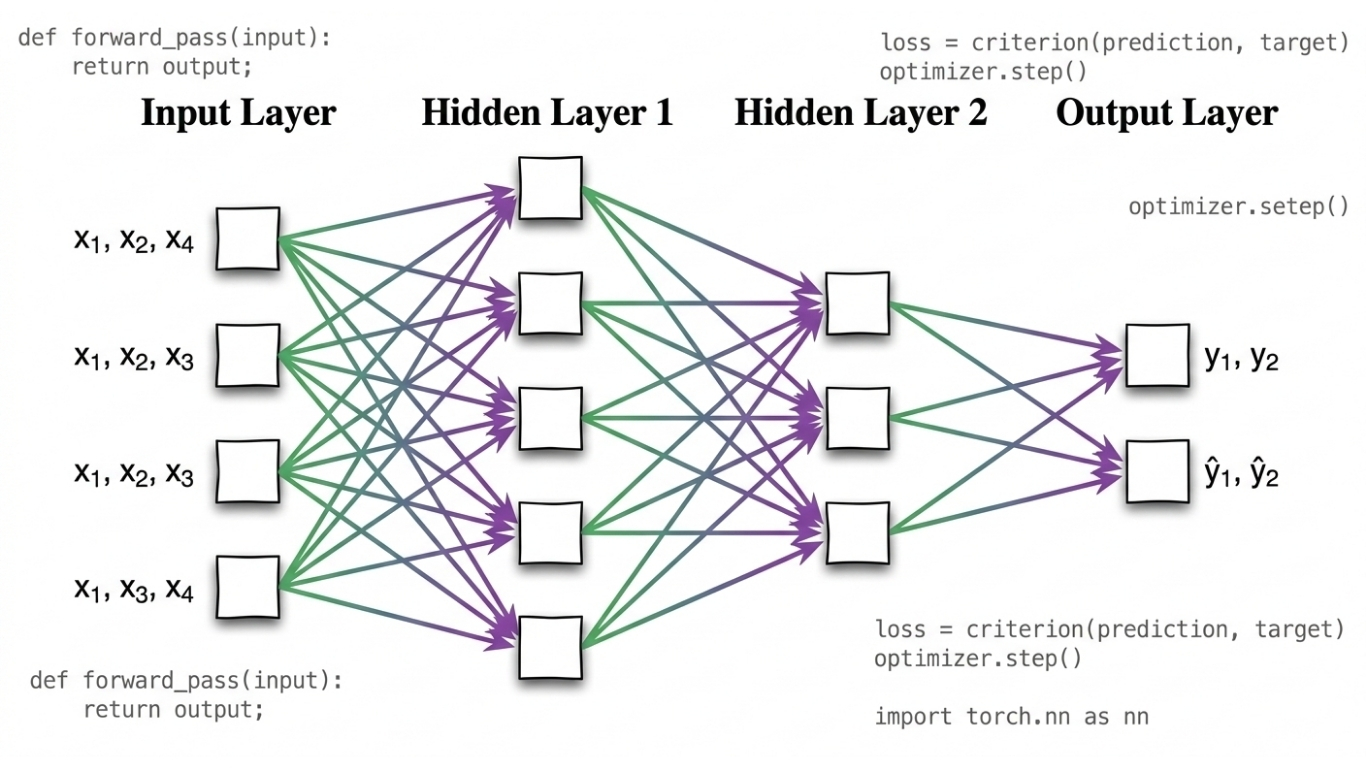
- Training and refining machine learning models
- Designing visual dashboards to communicate findings to stakeholders
Professionals in this field spend significant time wrangling messy data before any algorithmic modeling begins. They must verify that the information feeding their models remains accurate and unbiased.
How hard is a data science major? Earning this degree demands rigorous coursework in advanced statistics, database architecture, and predictive analytics. The intensive academic path quickly filters out those uncommitted to deep empirical research.
A single calculation error can cost an enterprise millions in misdirected marketing spend or failed product launches.
What Is Computer Science?
Computer science is the comprehensive study of computation, automation, and information processing. It explores the theoretical foundations of algorithms and the practical execution of software systems.

When analyzing Data Science vs. Computer Science, the latter focuses on how computers function and how humans can instruct them to perform complex tasks efficiently. The field encompasses:
- Hardware architecture
- Software engineering
- Network communication protocols
It represents the foundational bedrock of the modern digital economy.
What is data abstraction in computer science? Data abstraction involves hiding complex implementation details to present only the necessary operational interfaces to users. It allows software engineers to build massive interconnected systems without overwhelming the end user with underlying machine code.
Is data science computer science? Data science remains a distinct offshoot that borrows computational tools but relies fundamentally on statistical methodology rather than pure software theory. Computation serves as the broad technical foundation upon which specialized analytical fields are built.
Is Computer Science the Same as Information Technology?
Computer science and information technology (IT) represent entirely different disciplines.
Computer science focuses on inventing new software, developing algorithms, and designing operating systems from the ground up. Information technology centers on applying, managing, and maintaining those existing systems within a commercial business environment.
IT professionals ensure corporate networks remain secure, hardware functions correctly, and employees have reliable access to digital resources.
A clear Data Science vs. Computer Science comparison highlights that both core fields create novel technological solutions, whereas information technology merely sustains them. Software engineers build the technical tools that IT administrators eventually deploy.
What Do Computer Scientists Do?
Computer scientists design, develop, and test software applications alongside complex computational systems. Their primary objective is translating abstract mathematical algorithms into functional code that powers everything from mobile applications to global financial networks.
Professionals in this field optimize computer science data structures to ensure software retrieves and stores information with maximum efficiency. Proper organization of digital information dictates exactly how quickly a program executes its commands.
Developers prioritize structural integrity and system reliability above extracting business insights. They select precise memory arrays to minimize processing latency and write the foundational frameworks that allow applications to handle millions of simultaneous user requests without failing.
Differences Between Data Science and Computer Science
The primary difference between these two disciplines lies in their end goals and daily methodologies. Analytics professionals focus on extracting meaning from information; software developers focus on building robust functional systems.
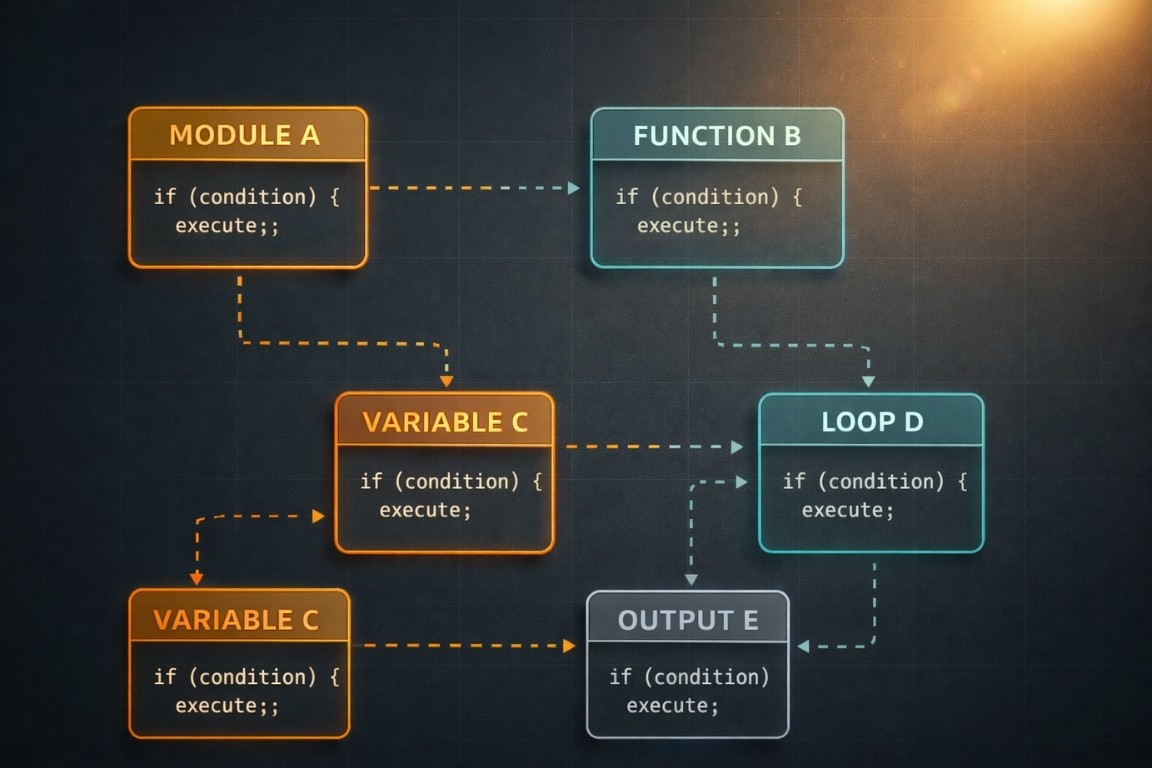
Is data science or computer science better? The superior career choice depends entirely on individual preference. Those drawn to statistical forecasting will thrive in data science; those who prefer structural software engineering belong in computer science. Neither field holds absolute superiority.
| Feature | Data Science | Computer Science |
|---|---|---|
| Core Objective | Extracting insights and predicting future trends | Designing software and building computing systems |
| Primary Methodology | Statistical analysis and machine learning | Algorithm design and software engineering |
| Key Deliverables | Predictive models, data visualizations, reports | Applications, operating systems, digital infrastructure |
| Foundational Focus | Mathematics, probability, business strategy | Logic, computational theory, system architecture |
Analytical experts use the exact software systems created by computational developers. A software programmer builds the core relational database architecture. An analytics professional then queries that identical database to extract financial performance metrics for executive review.
Tools and Technologies

Professionals in these fields rely on entirely different software ecosystems to accomplish their specialized objectives.
Data scientists primarily use:
- Python and R for statistical modeling and predictive analytics
- SQL for extracting specific metrics from relational databases
- Tableau and Power BI for generating interactive business dashboards
- TensorFlow and PyTorch for training advanced deep learning networks
Software developers primarily use:
- Java, C++, and Go for building scalable enterprise applications
- Git and GitHub for collaborative version control and source code management
- Docker and Kubernetes for deploying applications within isolated containers
Analysts prioritize statistical accuracy. Software developers prioritize execution speed. Both technical toolkits require years of dedicated practice to master.
Career Opportunities
Both professional paths offer strong job security and rapid upward mobility across the global digital economy. Nearly every modern enterprise requires structural software engineering and deep behavioral analytics to remain competitive.
Who earns more, a data scientist or a computer scientist? Data scientists frequently earn slightly higher baseline compensation due to the specialized mathematical knowledge required for complex forecasting work. According to the U.S. Bureau of Labor Statistics, the median annual salary for data scientists exceeds $108,000, with senior professionals in competitive markets commanding well above $125,000.
Can a computer scientist be a data scientist? Yes. Software engineers can successfully transition into analytical roles by acquiring formal training in probability, statistics, and machine learning techniques. The overlap between the two fields makes this one of the more accessible career transitions in technology.
How AI Is Reshaping Demand in Both Fields
Artificial intelligence is fundamentally transforming the daily operational routines and strategic value of both technology sectors.
Is data science dead due to AI? Absolutely not. AI accelerates productivity by automating routine data cleansing tasks, allowing professionals to focus entirely on complex algorithmic modeling. Both fields are evolving rapidly, not contracting.
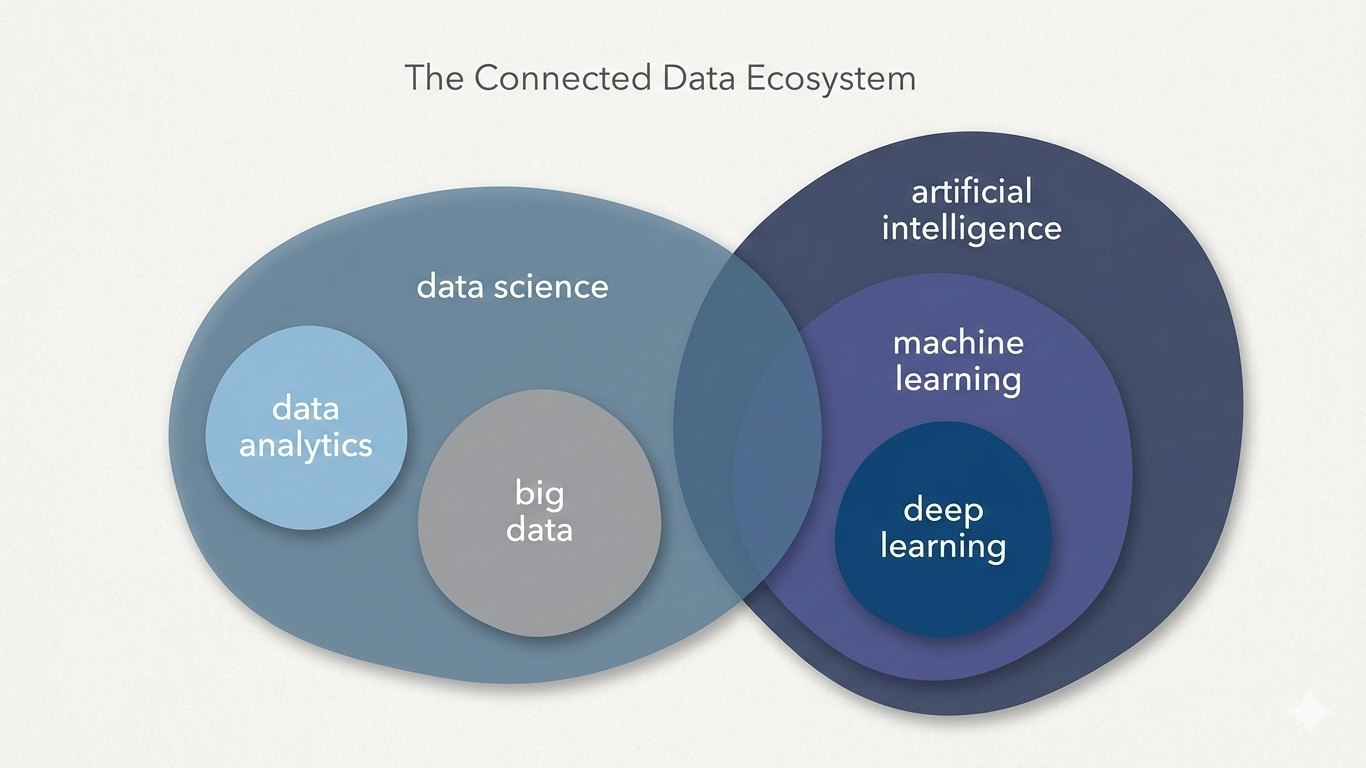
Within software engineering, generative AI tools now actively assist developers by drafting boilerplate code and identifying complex syntax errors instantly, saving engineers countless hours of manual review.
Professionals who actively adapt to utilizing advanced neural networks will secure the most lucrative enterprise positions available. The ongoing integration of automated systems universally elevates the baseline technical requirements for both career paths.
Conclusion
Choosing a career path depends entirely on personal technical interests and long-term professional goals. The Data Science vs. Computer Science debate ultimately compares analytical forecasting with structural software engineering. Both technical fields guarantee strong compensation and exceptional job security within the modern digital economy. Prospective students must evaluate their preference for mathematical statistics versus computational logic before committing to a specific academic university degree. Organizations will continue relying heavily on both specialized disciplines to maintain commercial competitiveness.
Frequently Asked Questions
1. Which degree offers better long-term job security?
Both technical degrees provide exceptional long-term career stability. The Data Science vs. Computer Science employment market continues expanding rapidly as corporate artificial intelligence adoption increases globally. Modern enterprises constantly require engineers to build robust digital systems and analysts to interpret the resulting consumer metrics.
2. Is coding harder in software engineering or analytics?
Software engineering demands significantly more complex programming expertise. Computational developers must master precise memory management and scalable system architecture optimization. Analytical professionals use code primarily as a basic operational tool to execute mathematical models and process large statistical equations.
3. Can I switch from software engineering to analytics later?
Technical professionals frequently transition between these two digital disciplines. Moving into an analytics role requires acquiring formal education in advanced probability and predictive modeling techniques. Understanding Data Science vs. Computer Science foundational differences helps professionals identify exact academic skill gaps before attempting a corporate career pivot.
4. Which path is better for remote work opportunities?
Both career paths offer abundant remote employment opportunities across the global technology sector. Software engineers and analytical experts perform their daily responsibilities entirely through digital cloud infrastructure. Companies prioritize technical output and system performance over physical office attendance for both specialized roles.
READ MORE: