
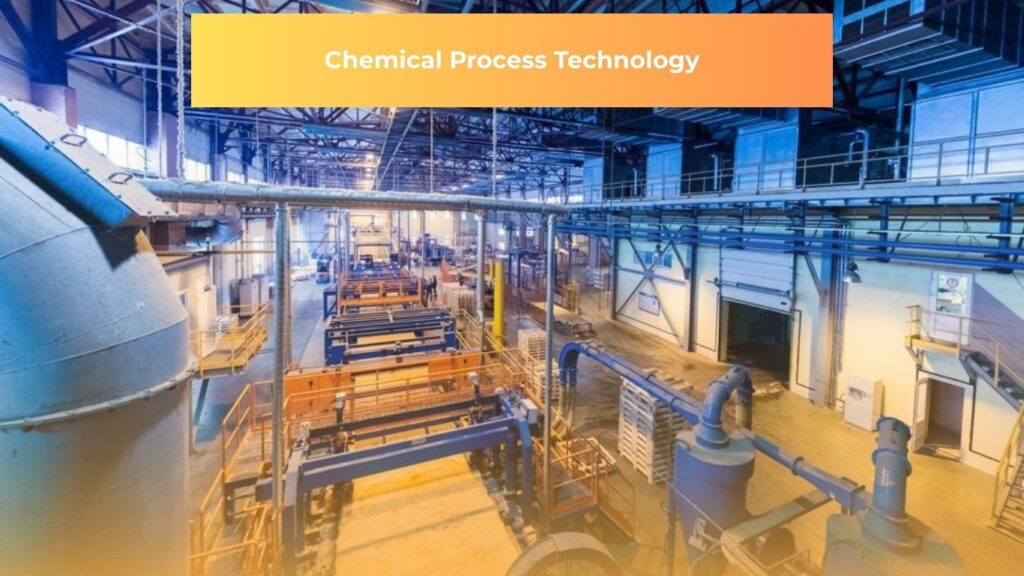
Chemical process technology represents one of the most transformative disciplines in modern manufacturing, bridging the gap between theoretical chemistry and real-world industrial production.
In an era where sustainability and efficiency define competitive advantage, this field has emerged as the backbone of industries ranging from pharmaceuticals to energy production.
Understanding Chemical Process Technology in the Modern Industrial Age
But what exactly is chemical process technology?
At its core, chemical process technology encompasses the design, optimization, and operation of processes that convert raw materials into valuable products through integrated chemical and physical transformations. Unlike its academic counterpart, chemical process technology focuses on the practical, scalable, and economically viable implementation of chemical reactions within industrial plants.
The significance of it cannot be overstated. Every product you use—from the plastic in your smartphone to the fuel in your car—exists because of advances in chemical process technology.
The discipline integrates chemistry, physics, mathematics, and engineering principles to solve complex manufacturing challenges while maintaining safety, environmental compliance, and profitability.
What Is Chemical Process Technology?
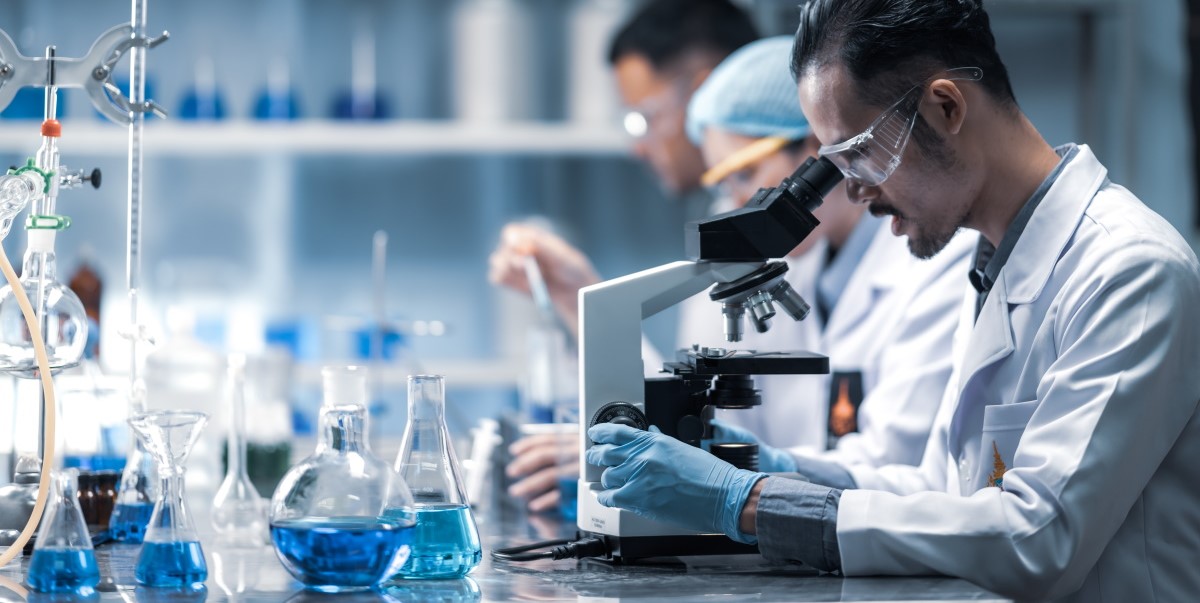
Chemical process technology is fundamentally about transformation at scale. It’s the engineering discipline that asks: “How do we take raw materials and, through a series of carefully controlled chemical and physical operations, convert them into products society needs?”
Chemical process technology operates across multiple scales of complexity:
- Micro/Nanolevel: Understanding molecular-level kinetics, catalysis, and reaction mechanisms that govern how individual molecules interact
- Mesolevel: Designing reactors, unit operations, and equipment that facilitate these reactions efficiently
- Macrolevel: Integrating entire process plants, considering thermodynamics, heat transfer, mass transfer, and operational control systems
Its rests on several core disciplines. Thermodynamics answers the question: “Is this reaction possible, and under what conditions?” Chemical kinetics and catalysis determine reaction rates and selectivity.
Process engineers working in the field must master reactor design, distillation, extraction, crystallization, and membrane separation technologies.
A typical structure follows this sequence:
- Feed Pretreatment: Preparing raw materials through physical and chemical processing
- Chemical Conversion: The reaction phase where feedstock transforms into products
- Product Separation and Purification: Isolating desired products from byproducts and unreacted materials
- Waste Management: Handling environmental compliance and sustainability concerns
THE CHEMICAL INDUSTRY: EVOLUTION, STRUCTURE, AND INDUSTRIAL SIGNIFICANCE
Historical Development
The modern chemical industry emerged in the United Kingdom around 1800, catalyzed by the Industrial Revolution.
While chemical operations such as dyeing, leather tanning, and brewing had existed since antiquity, the systematic application of transformed these artisanal practices into industrial scale manufacturing.

The mechanization of textile production, advancements in iron metallurgy, and the expanded utilization of refined coal provided the infrastructure and raw materials necessary for establishing the contemporary chemical sector.
A defining characteristic of the chemical industry throughout its development has been the continuous stream of technological innovations in both processes and products, enabling the sector to diversify its offerings dramatically and maintain competitive advantage through innovation in.
Inorganic Chemical Foundation Sulfuric acid and sodium carbonate represented the first generation of industrial chemicals produced at scale. Sulfuric acid, traditionally called “oil of vitriol,” became essential for textile dyeing, bleaching, and alkali manufacturing operations.
In 1746, John Roebuck accomplished a critical innovation by replacing expensive small glass vessels with larger lead lined chambers, establishing the lead chamber process for industrial sulfuric acid production. Remarkably, sulfuric acid remains the highest volume chemical manufactured globally.
The demand for sodium carbonate in glass, soap, and textile industries during the late eighteenth century prompted the French Academy of Sciences to sponsor an innovation competition.
Nicholas Leblanc’s solution converting sodium chloride to sodium carbonate through reaction with sulfuric acid fundamentally transformed industrial manufacturing, earning recognition as the catalyst for the modern chemical industry’s emergence. Although Leblanc never received his prize, his process represented a watershed moment in applying principles to large scale production.
The 1831 patent of the contact process by Peregrine Phillips marked the first documented application of heterogeneous catalysis in industrial scale, though widespread commercial adoption occurred only at the nineteenth century’s close due to technical and economic barriers.
Organic Chemistry and Synthetic Dyes
The organic chemical industry emerged unexpectedly in 1856 when English chemist William Henry Perkin, at eighteen years old, synthesized mauveine the first commercially manufactured synthetic organic compound. While attempting to synthesize quinine, Perkin produced an unanticipated purple compound that possessed remarkable commercial value, displacing expensive natural dyes. This serendipitous discovery established the synthetic dye manufacturing sector.
The subsequent development of synthetic dyes and organic chemicals, driven predominantly by German chemists, created sustained demand for aromatic compounds. Coal tar, previously a waste byproduct of town gas production, became a valuable feedstock source for operations in the emerging aromatic chemicals sector.
The Petroleum Era and Modern Catalytic Process Technology
The transformation from coal based to petroleum based commenced in the 1930s in the United States, where petroleum hydrocarbons were recognized as superior feedstocks. This petrochemical revolution accelerated during World War II when North American manufacturers constructed facilities for aromatic production destined for high octane aviation fuel.
European adoption of petroleum based occurred primarily after World War II, with Japan following in the 1950s. The automobile industry’s expansion significantly influenced refining demands, establishing gasoline and diesel as primary refinery products.
Eugene Houdry’s 1936 development of catalytic cracking technology dramatically increased gasoline yields and represents one of the most consequential innovations in history. The subsequent introduction of Fluid Catalytic Cracking in 1941 further optimized this critical process.
The 1930-1960 period represented an unprecedented era of chemical industry innovation, characterized by numerous technological breakthroughs in and catalysis. Production facilities proliferated throughout the United States, Europe, and Japan. Synthetic polymers constituted the major growth sector, with expanding material science understanding driving rapid advancement in polymer.
The Environmental Era and Sustainability Transition
Beginning in the late 1960s and accelerating through the 1970s, societal awareness of chemical manufacturing’s environmental consequences grew substantially.
This environmental consciousness catalyzed the emergence of environmental catalysis as a distinct discipline within. The catalytic treatment of automobile exhaust gases became the most widely deployed catalytic reactor application globally, exemplifying how responds to societal imperatives.
During the 1980s, as technological advancement decelerated and international competition intensified, the chemical industry in developed economies transitioned into a mature operational phase.
Many petrochemical processes approached theoretical performance limits, redirecting research toward higher value added specialty chemicals and advancing in less saturated market segments. Commencing in the early twenty first century, sustainability emerged as a dominant industry paradigm. Chemical enterprises recognized that economic factors alone prove insufficient; environmental considerations (greenhouse gas emissions, waste generation) and social dimensions (employment, workplace safety, research investment) require equivalent strategic attention.
Current industry focus emphasizes renewable feedstock utilization (biomass based), material and product recycling, and waste reduction. The depletion of traditional fossil fuel reserves provides additional impetus for developing novel synthesis pathways employing innovations that prove economically competitive while exceeding conventional processes in environmental performance and sustainability metrics.
Energy and Chemical Process Technology: The Dual Engine of Industrial Transformation
The relationship between energy and is inseparable. Energy consumption is often the largest operational cost in facilities, making energy efficiency a critical competitive factor. Energy and intersect at multiple points:
Thermodynamic Efficiency
Modern plants must operate at optimal temperatures and pressures to maximize conversion while minimizing energy expenditure. The evolution of has dramatically improved energy efficiency for example, the development of low pressure ammonia synthesis in the 1960s represented a breakthrough in energy and by reducing energy requirements by 30% compared to earlier high pressure processes.
Waste Heat Recovery
Advanced systems now incorporate sophisticated heat integration strategies. Exothermic reactions generate heat that’s recovered and used elsewhere in the plant, exemplifying how modern creates synergies between unit operations.
Renewable Energy Integration
The frontier of increasingly involves renewable energy sources. Bio based feedstocks processed through pathways represent the industry’s transition toward sustainability. The development of biorefinery technology applying principles to biomass conversion demonstrates how the discipline evolves with societal needs.
The chemical industry’s energy intensity makes and optimization a cornerstone of competitive advantage. Companies investing in advanced methodologies report 15 25% improvements in energy efficiency over five years.
Chemical Engineering vs. Process Technology
The confusion between chemical process technology and chemical engineering is widespread, but the distinction is crucial for understanding career pathways and professional roles.
Chemical Engineering
Chemical engineers typically possess a four-year degree emphasizing thermodynamics, fluid mechanics, heat transfer, and chemical kinetics. They focus on:
- Developing new chemical processes and reactions
- Designing unit operations from first principles
- Scaling up laboratory discoveries to industrial scale
- Innovating in chemical transformation methodologies
Chemical engineers often work in R&D, developing the theoretical foundations that support chemical process technology.
Process Technology
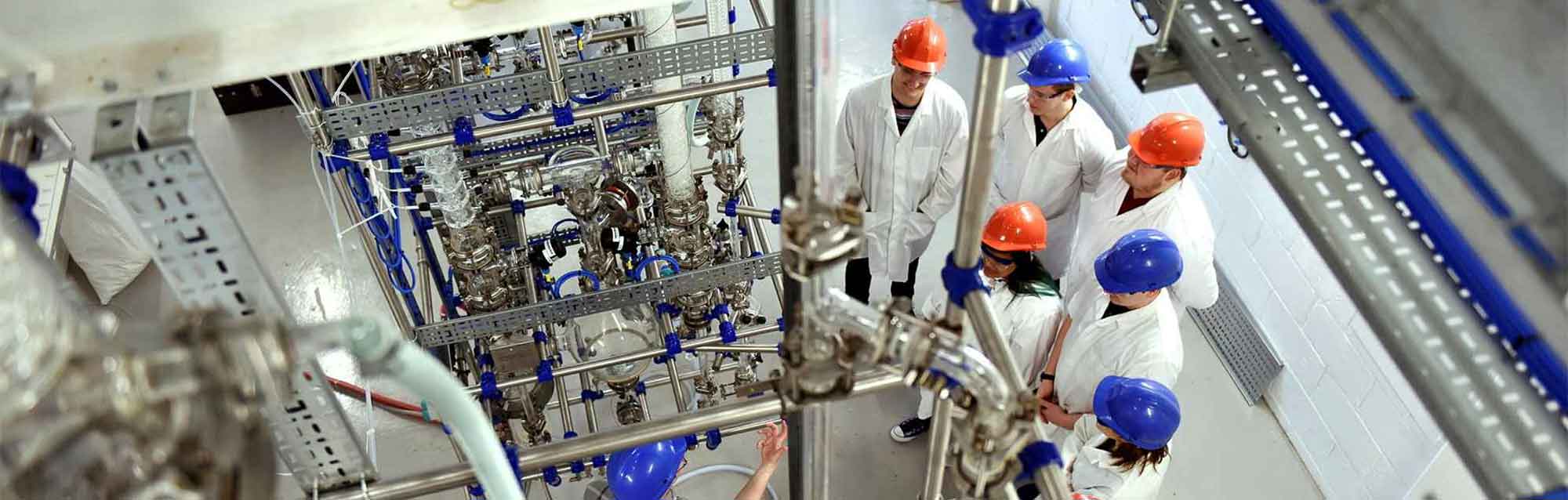
Chemical process technology professionals take the work of chemical engineers and optimize it for real-world manufacturing.
While chemical engineers ask “What’s theoretically possible?”, process technologists ask “How do we operate this efficiently and profitably?”
Chemical process technology practitioners focus on:
- Operating and troubleshooting existing processes
- Optimizing plant performance and throughput
- Improving safety, environmental compliance, and sustainability
- Managing equipment, utilities, and production schedules
- Reducing costs while maintaining quality
The roles include process technicians, operators, supervisors, and process engineers working in manufacturing facilities.
The Complementary Relationship
Chemical engineers design the blueprint; chemical process technology professionals ensure the machinery runs smoothly. Many successful professionals transition between these roles, bringing academic rigor to practical operations, and practical insight to theoretical innovations.
The Bureau of Labor Statistics reports that chemical engineers earn $108,400 median salary, while process technicians specializing in chemical process technology earn $46,700 to $115,000 depending on experience and specialization, with top performers in specialized sectors exceeding $150,000 annually.
Career Pathways in Chemical Process Technology
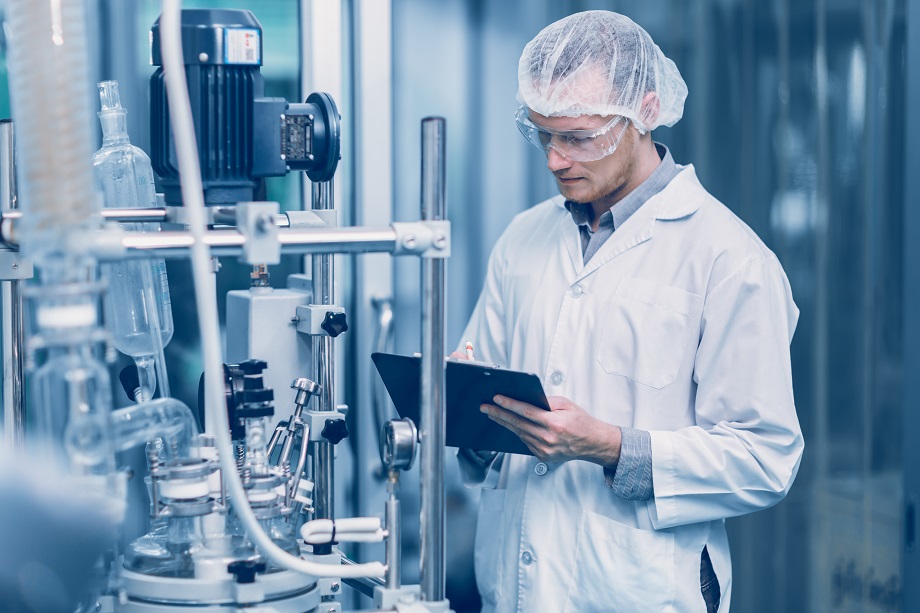
Entry-Level Positions
Chemical process technology careers typically begin with technician or operator roles. Entry-level positions in chemical process technology include:
- Process Operator: Manages control room systems, monitors process parameters, and responds to alarms
- Laboratory Technician: Conducts quality control and analytical testing
- Maintenance Technician: Supports equipment reliability in chemical process technology facilities
These entry-level positions in chemical process technology provide hands-on experience with unit operations, safety protocols, and production optimization.
Mid-Career Development
With 3-8 years of experience, professionals in chemical process technology advance to:
- Senior Process Technician: Leading control room operations and training entry-level staff
- Process Engineer: Optimizing existing processes and troubleshooting complex issues
- Shift Supervisor: Managing team operations in chemical process technology plants
- Specialist Technician: Focusing on specific unit operations like distillation, reactor technology, or separation processes
These roles in chemical process technology typically earn $80,000-$120,000 annually.
Advanced Positions and Leadership
Senior professionals with 10+ years in chemical process technology include:
- Process Plant Manager: Overseeing entire chemical process technology facilities and strategic operations
- Principal Process Engineer: Leading optimization initiatives across multiple plants
- Director of Operations: Managing safety, sustainability, and profitability in chemical process technology divisions
- Senior Consultant: Advising companies on chemical process technology improvements and implementations
These advanced positions in chemical process technology command salaries exceeding $150,000-$200,000+, particularly in petrochemical and pharmaceutical sectors.
What Can You Do With a Chemical Process Technology Degree?
A degree in chemical process technology opens doors across diverse industries:
Oil and Gas Refining
The refinery represents the classic application of chemical process technology. The catalytic cracking unit, perhaps the most important chemical process technology innovation ever developed, processes crude oil through heat and catalysts to maximize high-value gasoline and diesel yields.
Modern chemical process technology in refineries handles desulfurization, alkylation, and hydrotreating—processes that exemplify advanced chemical process technology practice.
Pharmaceutical Manufacturing
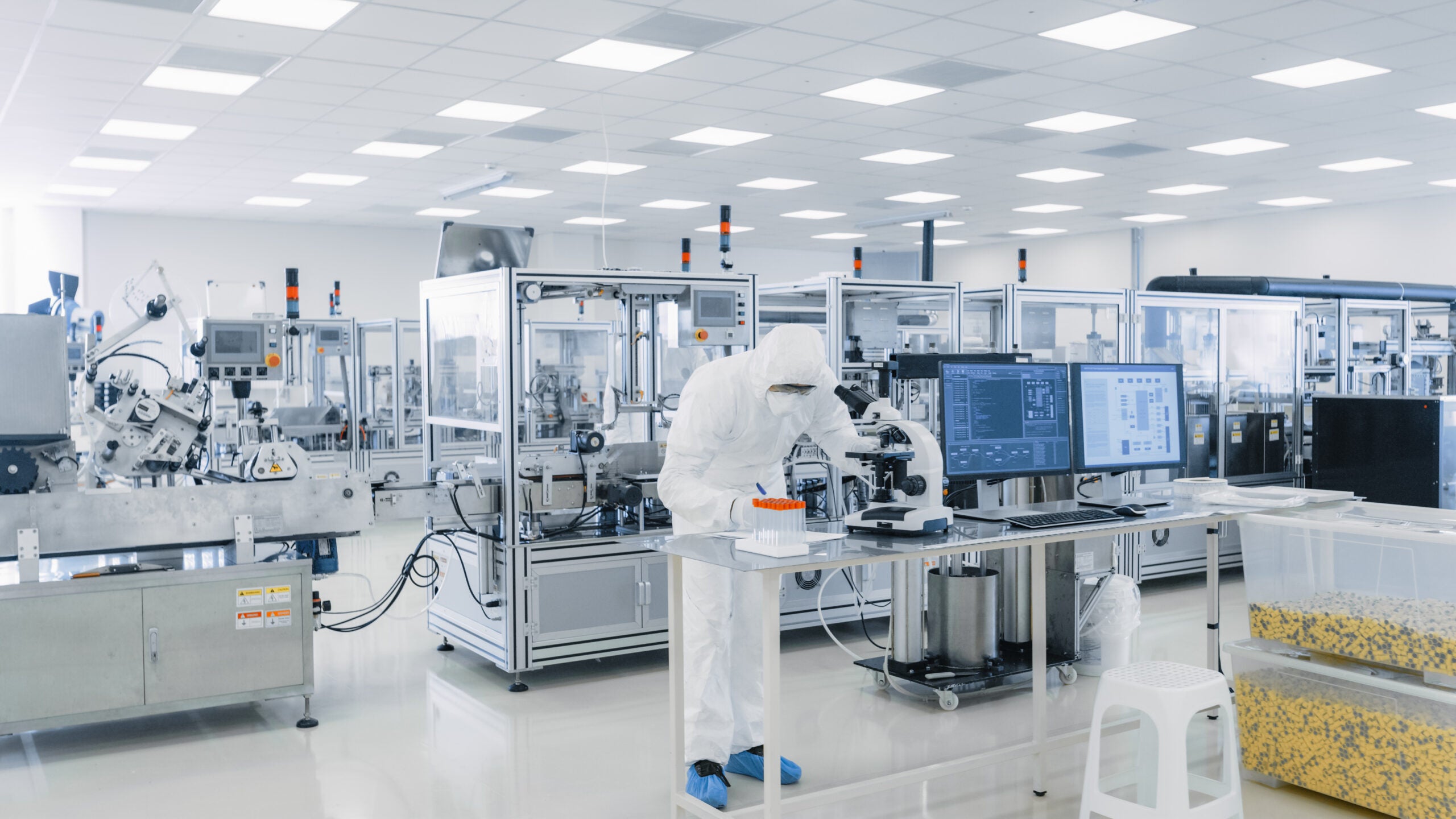
Batch processing in chemical process technology pharmaceutical plants requires meticulous attention to conditions, safety, and compliance. Professionals with chemical process technology expertise manage fermentation processes, crystallization operations, and scale-up from pilot to commercial production.
Fine Chemicals and Specialty Chemicals
The fine chemicals industry applies chemical process technology to high-value-added products where selectivity and purity are paramount.
Chemical process technology specialists here work with multipurpose and multiproduct plants, managing rapid switchovers between different processes.
Food and Beverage Processing
Food chemical process technology involves fermentation, extraction, and separation operations—applying chemical process technology principles to produce beverages, flavors, and food ingredients.
Water Treatment and Environmental Engineering
Environmental chemical process technology involves designing systems for wastewater treatment, including aerobic and anaerobic biological processes that professionals trained in chemical process technology design and operate.
Biotechnology and Biopharmaceuticals
Fermentation chemical process technology and downstream processing employ advanced chemical process technology techniques for producing vaccines, monoclonal antibodies, and therapeutic proteins.
Polymer and Plastics Manufacturing
The polymerization industry, producing materials like polyethene, polypropylene, and PET, relies heavily on chemical process technology expertise for controlling polymerization reactions, managing reactor temperatures, and optimizing polymer properties.
Energy Production
Including hydrogen production, fuel cells, and battery manufacturing—emerging sectors where chemical process technology is critical for clean energy transition.
CONTACT US FOR A FREE CONSULTATION
READ MORE:
– Emerging Technology in Healthcare: Transforming Patient Care With 4 Case Studies
– What is EMR Systems? A Complete Guide to Electronic Medical Records in Healthcare
– Robotic Process Automation in Healthcare: Transforming the Healthcare Industry with RPA