
In today’s data-driven digital economy, marketing success is no longer driven by creativity alone. It is powered by technology, automation, data integration, and analytics. This is where MarTech comes into play.
This in-depth guide explains what is martech, how martech stacks work, the most important martech tools and solutions, and how businesses can build scalable, future-ready marketing systems that drive real ROI.
What Is Martech?
MarTech is short for Marketing Technology. It refers to the software, platforms, and digital tools that marketers use to plan, execute, manage, measure, and optimize marketing campaigns across multiple channels.
In simple terms, martech sits at the intersection of marketing and technology.
Martech helps businesses:
- Collect and unify customer data
- Automate marketing workflows
- Personalize customer experiences
- Measure performance and ROI
- Scale marketing operations efficiently
If digital marketing answers “what message to send”, martech answers “how to deliver, automate, measure, and optimize that message at scale.”
Why Martech Matters in Modern Marketing
The rapid growth of digital channels has made manual marketing impossible at scale. Businesses today face challenges such as fragmented customer data, inconsistent messaging, low conversion rates, and poor attribution models.
Martech solves these problems by enabling:
- Data-driven decision making instead of guesswork
- Omnichannel marketing execution from a single system
- Real-time insights into customer behavior
- Personalized experiences across the entire customer journey
Organizations that adopt martech strategically outperform competitors in lead generation, customer retention, and marketing ROI.
What Is a Martech Stack?
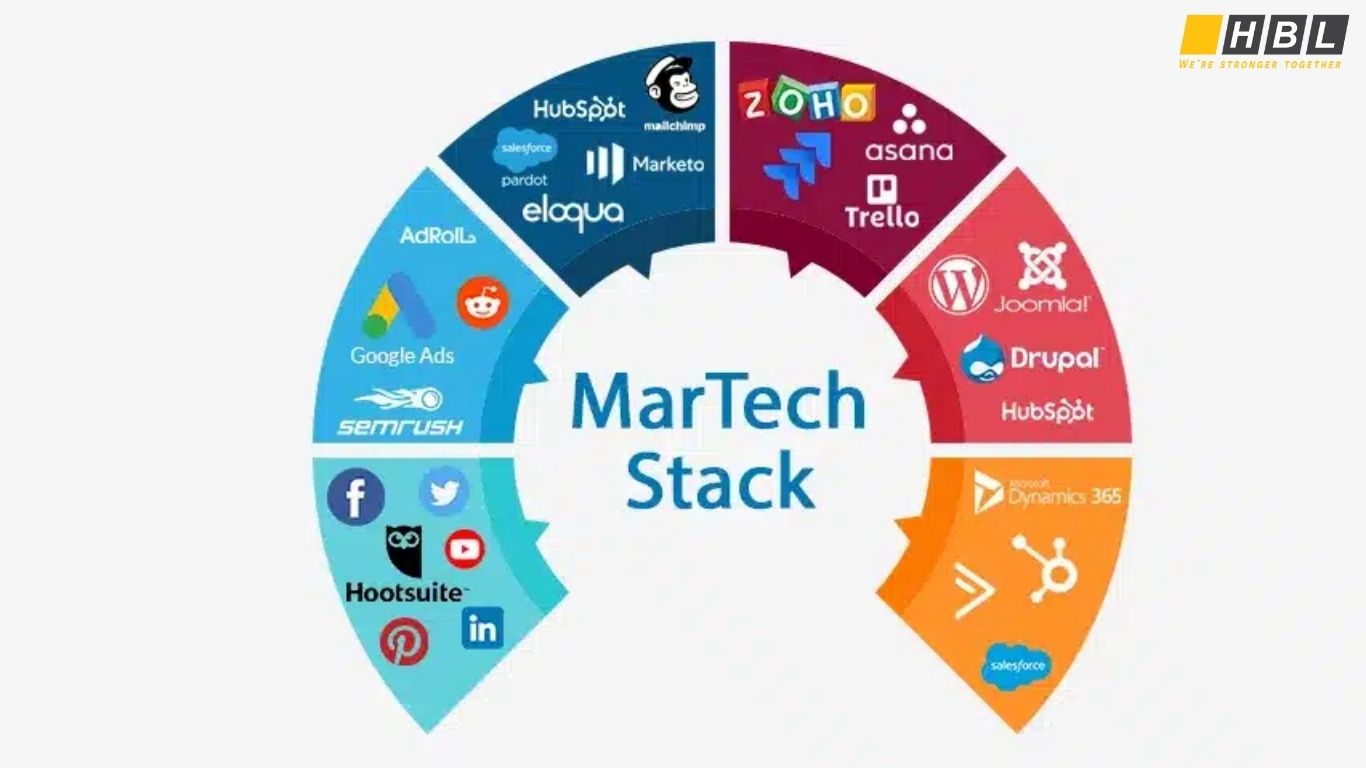
A martech stack is the collection of marketing technologies a company uses to support its marketing activities. Instead of relying on a single tool, modern marketing teams use interconnected platforms, each responsible for a specific function.
A well-designed martech stack typically includes tools for:
- Data collection and customer insights
- Campaign execution and automation
- Analytics and performance measurement
- Content and experience management
The goal of a martech stack is integration. Tools must share data seamlessly to create a unified view of customers and performance.

1. Customer Data & Analytics Layer
This layer captures, stores, and analyzes customer data from multiple touchpoints.
Common capabilities include:
- Web and app analytics
- Customer data platforms (CDP)
- Attribution modeling
- Behavioral tracking
Without this layer, marketing decisions lack accuracy and context.
2. Content & Experience Management
This layer manages how content is created, stored, and delivered across channels.
Typical tools include:
- Content management systems (CMS)
- Digital asset management (DAM)
- Personalization engines
Its role is to ensure consistent, relevant, and personalized messaging.
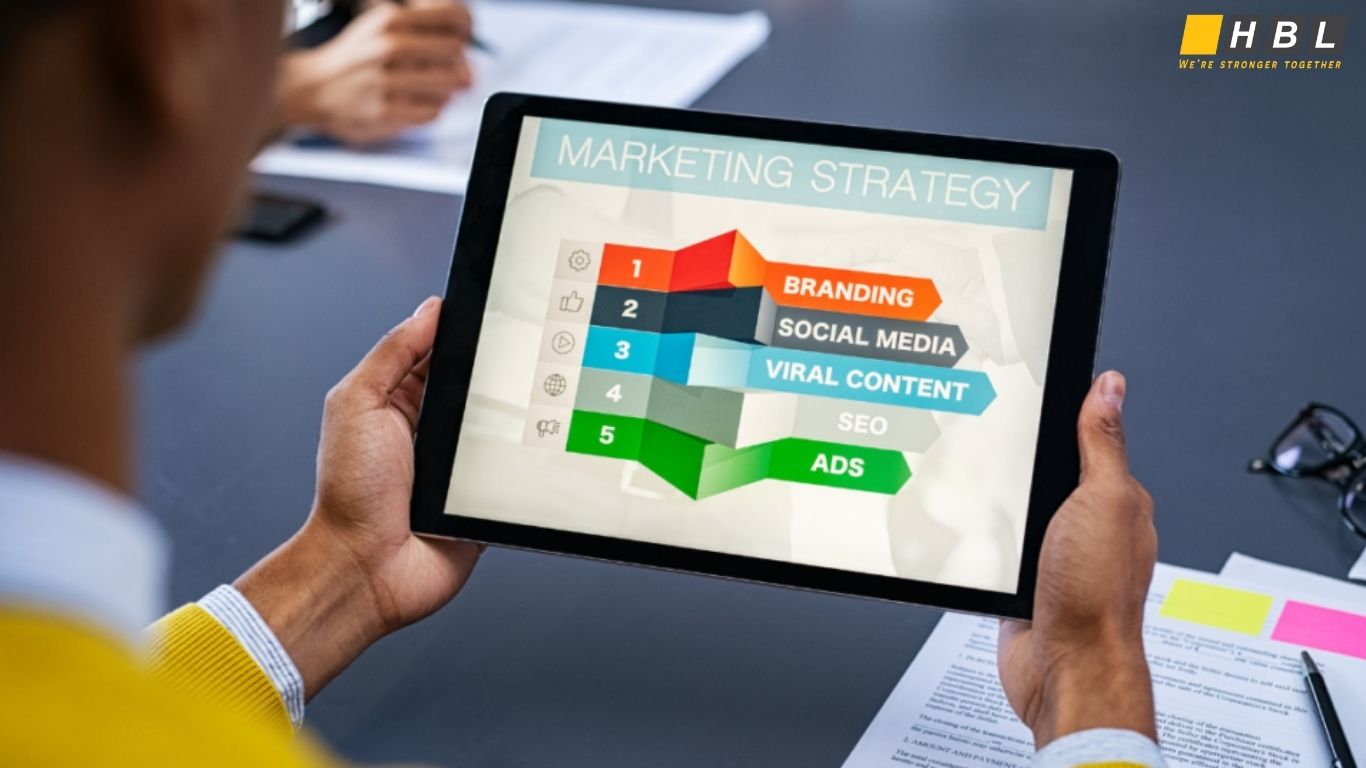
3. Campaign Execution & Automation
This is the operational heart of the martech stack.
Key functions:
- Email marketing automation
- Lead nurturing workflows
- Social media scheduling
- Customer journey orchestration
Automation improves speed, consistency, and scalability.
4. Advertising & Conversion Optimization
This layer focuses on paid media and performance optimization.
Capabilities often include:
- Ad management platforms
- Landing page builders
- A/B testing and CRO tools
It directly impacts lead acquisition and revenue growth.
5. Integration & Infrastructure Layer
This layer connects all tools together.
It includes:
- APIs
- iPaaS (integration platforms)
- Data pipelines and middleware
Without proper integration, martech tools become isolated silos.
Popular Martech Tools by Category
Analytics & Data Tools
These tools provide insights into user behavior and campaign performance.
Examples of use cases:
- Tracking conversion funnels
- Understanding customer journeys
- Measuring campaign ROI
Marketing Automation Platforms
These tools automate repetitive marketing tasks and workflows.
They are commonly used for:
- Email campaigns
- Lead scoring and nurturing
- Lifecycle marketing
CRM & Customer Engagement Tools
These platforms manage relationships with prospects and customers.
They help marketing and sales teams:
- Share customer data
- Align lead management processes
- Improve customer retention
Content & SEO Tools
These tools support content creation, optimization, and distribution.
Typical features include:
- Keyword research
- SEO performance tracking
- Content optimization
Advertising & Performance Marketing Tools
These platforms manage paid campaigns across channels.
They help marketers:
- Optimize ad spend
- Test creatives
- Track attribution
Martech Solutions: From Tools to Strategy
While martech tools are important, martech solutions go beyond software. A martech solution includes:
- Technology selection
- System architecture design
- Integration and data flow
- Workflow automation
- Training and governance
Many companies fail with martech because they focus on tools rather than strategy and execution.
Successful martech adoption requires:
- Clear business objectives
- Defined KPIs
- Strong integration architecture
- Continuous optimization
Common Martech Challenges (and How to Solve Them)
Tool Sprawl
Too many disconnected tools create complexity and inefficiency.
- Solution: Rationalize tools and focus on integration.
Data Silos
Customer data stored in isolated systems limits personalization.
- Solution: Implement CDP and unified data architecture.
Low Adoption by Teams
Complex tools are often underutilized.
- Solution: Provide training, documentation, and change management.
Unclear ROI
Without proper measurement, martech investments are questioned.
- Solution: Define attribution models and performance dashboards early.
How to Build a Scalable Martech Stack
A practical approach includes:
- Define marketing and business goals
- Map the customer journey
- Identify required capabilities
- Select tools that integrate well
- Design data architecture
- Implement in phases
- Measure, optimize, and iterate
Martech is not a one-time project. It is a continuous capability-building process.
Future Trends in Martech
The martech landscape continues to evolve rapidly. Key trends include:
- AI-driven personalization and predictive analytics
- Customer data privacy and consent management
- Low-code and no-code marketing platforms
- Real-time omnichannel orchestration
- Deeper alignment between marketing, sales, and customer success
Organizations that invest early in flexible, scalable martech architectures gain a long-term competitive advantage.
Why Choose HBLAB for Martech Solutions?
As businesses expand globally, they need martech partners who understand both technology and marketing execution.
HBLAB provides end-to-end martech services tailored to enterprises and fast-growing digital teams.
HBLAB’s Key Strengths in Martech Projects
- 630+ engineers and consultants, with 30% senior-level experts (5+ years experience)
- Headquarters in Vietnam with offices in Australia, Singapore, Japan, and South Korea
- Strong English communication capabilities for global collaboration
- Flexible engagement models: BOT, Offshore, Onsite, Dedicated Team
- Cost efficiency up to 30% lower than local markets without compromising quality
- Expertise across diverse programming languages and martech platforms
- Strict security and process compliance with CMMI Level 3 certification

HBLAB supports clients in:
- Martech stack consulting and architecture design
- Custom martech platform development
- System integration and data pipelines
- Marketing automation and analytics implementation
- Long-term managed services and optimization
By combining technical excellence, cost efficiency, and global delivery experience, HBLAB helps organizations turn martech from a cost center into a growth engine.
Conclusion
Understanding what is martech is essential for any business competing in the digital era. Martech is not just about tools. It is about building integrated, data-driven marketing systems that scale with your business and deliver measurable results.
With the right strategy, architecture, and technology partner, martech becomes a powerful driver of growth, efficiency, and customer experience.
If you are planning to build or optimize your martech stack, partnering with an experienced provider like HBLAB can significantly accelerate success while reducing risk and cost.
Read more:
– Outsource Web Development: Complete Guide to Cost, Models & Risk Mitigation
– Source Code Management: A Complete Guide to Tools, Best Practices, and Enterprise-Ready Strategies